กำลังโหลด…
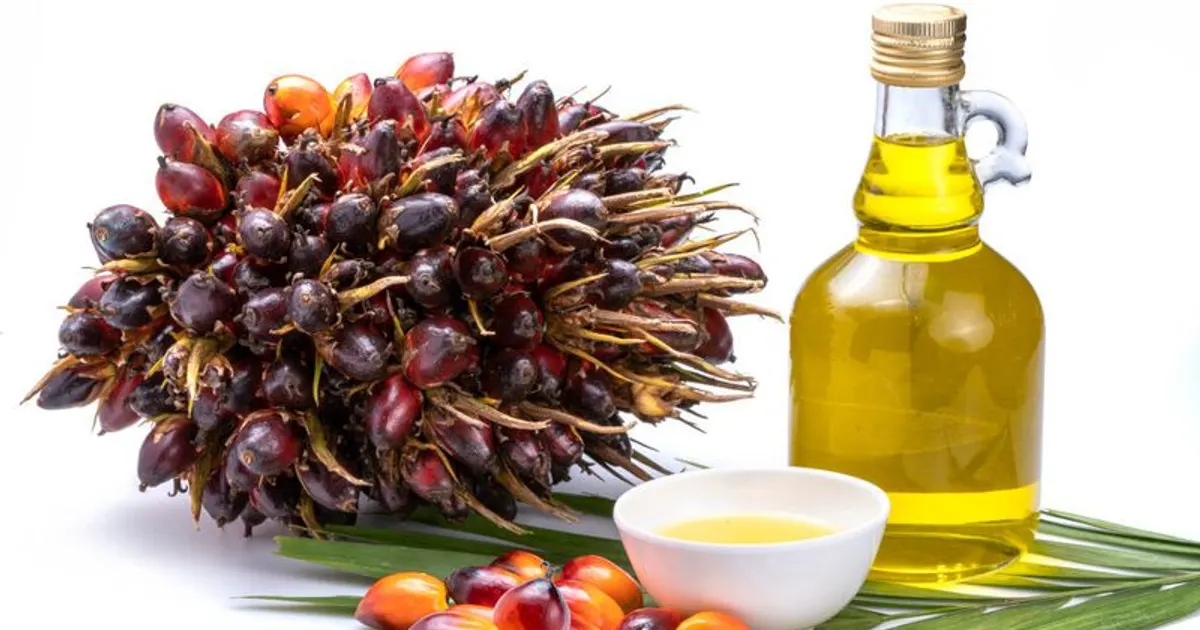
Indonesia tightened its palm oil export quota ratio to 1:4 from 1:6, cutting the amount exporters can ship relative to domestic sales. The trade ministry will also release about 3 million mt of frozen export permits gradually through January 2024, at roughly 336,000 mt per month.
Analysts estimate Indonesian supply could fall about 30% in the near term, which tightens global vegetable oil supply and supports palm and substitute oil prices. The phased release of held-back permits limits how far the squeeze will run.
 ukragroconsult.com28 เม.ย. 2566
หลัง 548 เหตุการณ์นโยบายที่ขาขึ้นในอดีต น้ำมันปาล์ม เคลื่อนไหวเฉลี่ย +0.4% ใน 5 วันทำการ (61% สูงขึ้น; ช่วงกลาง -0.7% ถึง +2.1%) และ +0.9% ใน 20 วัน.
หลัง 842 เหตุการณ์นโยบายที่ขาขึ้นในอดีต น้ำมันถั่วเหลือง เคลื่อนไหวเฉลี่ย +0.2% ใน 5 วันทำการ (52% สูงขึ้น; ช่วงกลาง -1.6% ถึง +2.1%) และ -0.5% ใน 20 วัน.
ยังมีเหตุการณ์ในอดีตที่เทียบได้ไม่เพียงพอสำหรับการอ่านข้อมูลย้อนหลัง
การเคลื่อนไหวของราคาอ้างอิงของแต่ละสินค้านับจากการปิดตลาดครั้งสุดท้ายก่อนเหตุการณ์ ข้อมูลย้อนหลังรวมเหตุการณ์ชนิดเดียวกันในอดีต ซึ่งบอกสิ่งที่เกิดขึ้น ไม่ได้บอกสิ่งที่จะเกิด ไม่ใช่คำแนะนำการลงทุน
Indonesia's export quota ratio change and gradual release of about 3 million mt of frozen export permits raised expected export supply.
Indonesia's gradual release of frozen export permits and quota ratio change point to more palm oil supply reaching global markets, which is bearish for competing vegetable oils.
