กำลังโหลด…
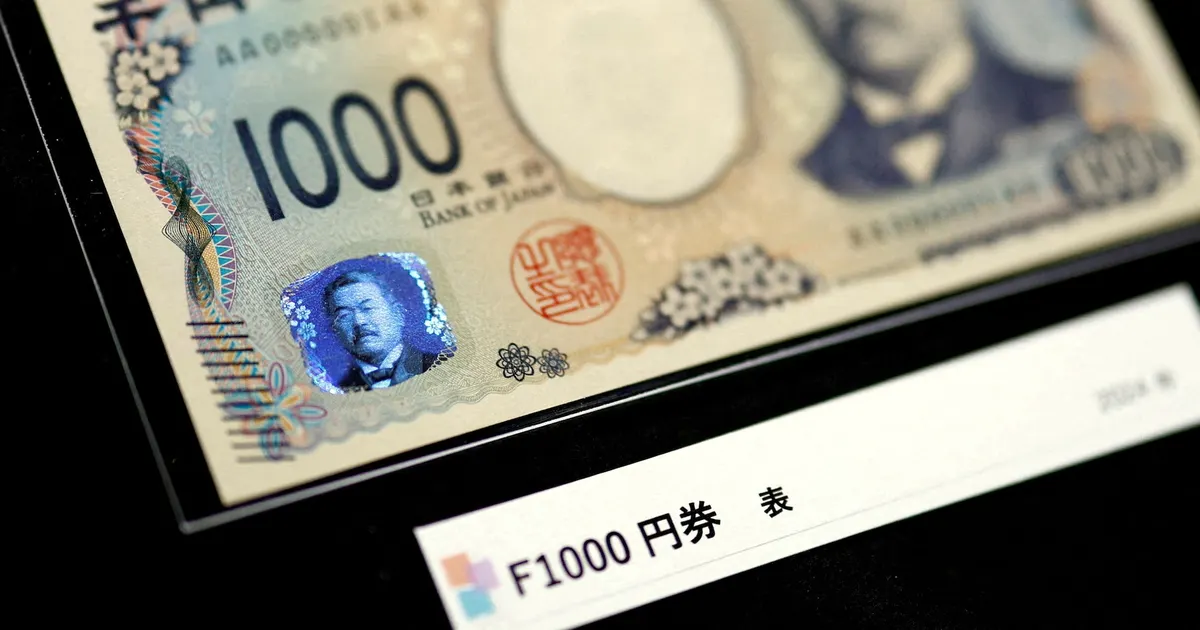
The Japanese yen has fallen 2.4% against the US dollar and 1.4% against the Swiss franc since Israel launched missile attacks on Iranian nuclear and military targets on June 13. Crude oil has spiked since the conflict began, and Japan imports nearly all its oil.
The rise in crude threatens Japan's trade balance and weakens the yen's usual safe-haven appeal.
Higher crude raises Japan's import bill and weakens the yen, which lifts USD/JPY and adds cost pressure for Japanese feed and energy buyers. The effect on Japanese exporters' earnings may be short-lived because energy costs rise.
 reuters.comKevin Buckland23 มิ.ย. 2568
ยังมีเหตุการณ์ในอดีตที่เทียบได้ไม่เพียงพอสำหรับการอ่านข้อมูลย้อนหลัง
หลัง 323 เหตุการณ์มหภาคที่ขาขึ้นในอดีต น้ำมันดิบ (Brent) เคลื่อนไหวเฉลี่ย +0.7% ใน 5 วันทำการ (58% สูงขึ้น; ช่วงกลาง -2.9% ถึง +3.7%) และ +1.3% ใน 20 วัน.
การเคลื่อนไหวของราคาอ้างอิงของแต่ละสินค้านับจากการปิดตลาดครั้งสุดท้ายก่อนเหตุการณ์ ข้อมูลย้อนหลังรวมเหตุการณ์ชนิดเดียวกันในอดีต ซึ่งบอกสิ่งที่เกิดขึ้น ไม่ได้บอกสิ่งที่จะเกิด ไม่ใช่คำแนะนำการลงทุน
