กำลังโหลด…
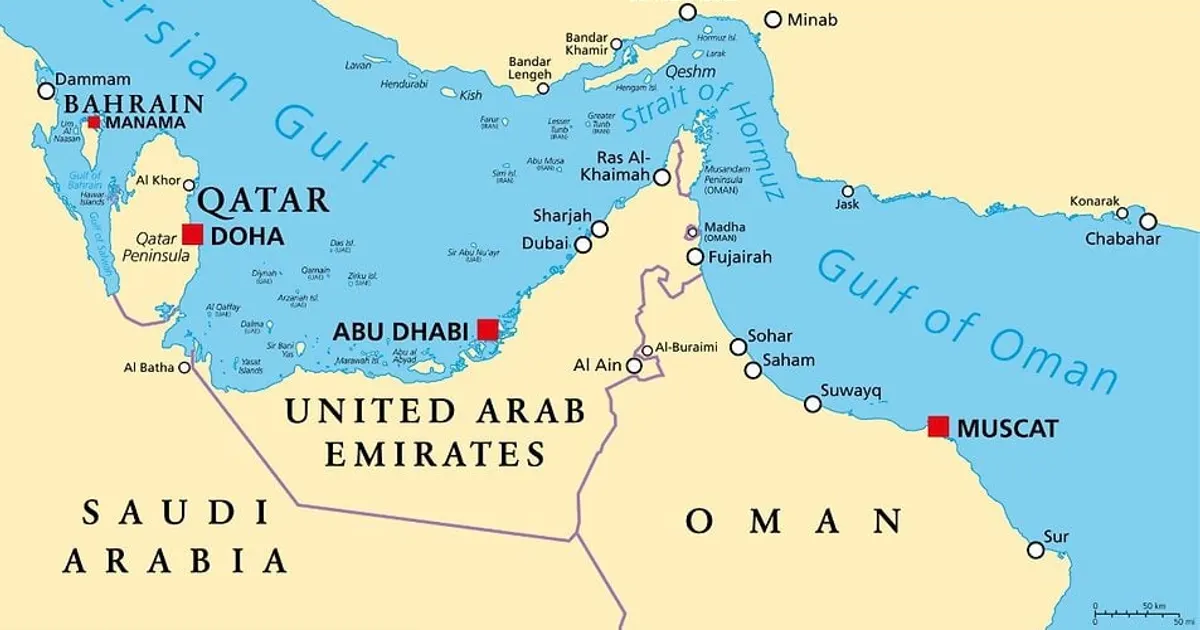
Rabobank's Stephen Nicholson says the US-Israel attack on Iran entering its second week is raising grain freight rates, while commodity prices are mostly steady. He says Suez and Hormuz are not major grain bottlenecks, but the duration of the conflict will determine whether the impact grows.
Higher fuel surcharges and basis cuts are expected along the supply chain.
Higher freight and fuel surcharges raise delivered costs for feed buyers and narrow farmer basis, even without physical grain disruption. A prolonged conflict would increase the pressure on prices.
 world-grain.comSusan Reidy9 มี.ค. 2569
ยังมีเหตุการณ์ในอดีตที่เทียบได้ไม่เพียงพอสำหรับการอ่านข้อมูลย้อนหลัง
หลัง 250 เหตุการณ์ภูมิรัฐศาสตร์ที่ขาขึ้นในอดีต ULSD / ดีเซล เคลื่อนไหวเฉลี่ย +1.7% ใน 5 วันทำการ (58% สูงขึ้น; ช่วงกลาง -3.6% ถึง +8.7%) และ +0.9% ใน 20 วัน.
หลัง 626 เหตุการณ์ภูมิรัฐศาสตร์ที่ขาขึ้นในอดีต น้ำมันดิบ (WTI) เคลื่อนไหวเฉลี่ย +2.1% ใน 5 วันทำการ (62% สูงขึ้น; ช่วงกลาง -2.3% ถึง +8.5%) และ +1.6% ใน 20 วัน.
การเคลื่อนไหวของราคาอ้างอิงของแต่ละสินค้านับจากการปิดตลาดครั้งสุดท้ายก่อนเหตุการณ์ ข้อมูลย้อนหลังรวมเหตุการณ์ชนิดเดียวกันในอดีต ซึ่งบอกสิ่งที่เกิดขึ้น ไม่ได้บอกสิ่งที่จะเกิด ไม่ใช่คำแนะนำการลงทุน
