กำลังโหลด…
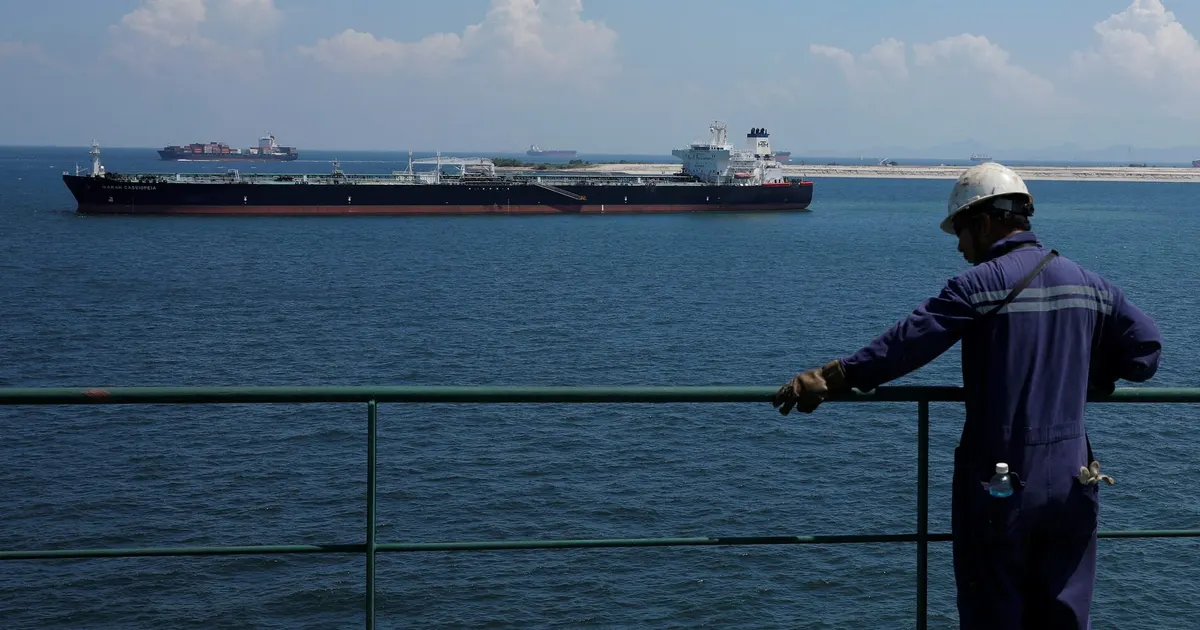
Oil fell about 4% after July surveys showed factory activity in the US, Europe and Asia losing momentum amid weak global demand and China's COVID-related restrictions. The data raised fears of economies sliding into recession.
Weakening manufacturing demand reduces expected crude consumption, pressuring energy prices and the cost base for feed ingredients and freight.
 reuters.comStephanie Kelly1 ส.ค. 2565
หลัง 565 เหตุการณ์มหภาคที่ขาลงในอดีต น้ำมันดิบ (WTI) เคลื่อนไหวเฉลี่ย -1.4% ใน 5 วันทำการ (41% สูงขึ้น; ช่วงกลาง -5.9% ถึง +3.0%) และ -0.5% ใน 20 วัน.
หลัง 312 เหตุการณ์มหภาคที่ขาลงในอดีต น้ำมันดิบ (Brent) เคลื่อนไหวเฉลี่ย -1.7% ใน 5 วันทำการ (38% สูงขึ้น; ช่วงกลาง -5.4% ถึง +2.3%) และ -1.7% ใน 20 วัน.
การเคลื่อนไหวของราคาอ้างอิงของแต่ละสินค้านับจากการปิดตลาดครั้งสุดท้ายก่อนเหตุการณ์ ข้อมูลย้อนหลังรวมเหตุการณ์ชนิดเดียวกันในอดีต ซึ่งบอกสิ่งที่เกิดขึ้น ไม่ได้บอกสิ่งที่จะเกิด ไม่ใช่คำแนะนำการลงทุน
A roughly 4% drop on Aug 1 after weak July factory surveys in the US, Europe and Asia and China COVID restrictions raised demand concerns and started the week's selloff.
