กำลังโหลด…
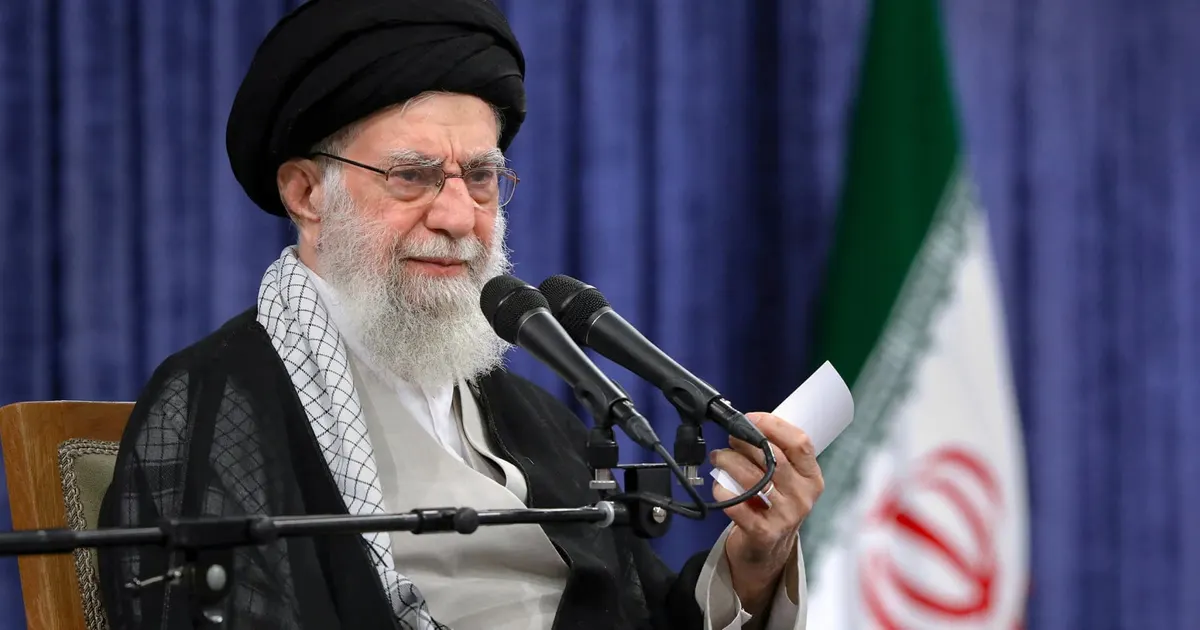
Crude futures jumped about $5 a barrel on June 13 after Israel launched airstrikes against Iran without US support. US crude rose 7.26% to $72.98 and Brent gained 7.02% to $74.23, the strongest gains since March 2022.
Iran responded with missile fire at Israel that evening.
Traders see the conflict as a threat to Gulf oil flows, which pushes crude prices sharply higher. The resulting energy cost increase feeds through to feed transport and processing costs.
 cnbc.comSpencer Kimball, Lee Ying Shan, Ruxandra Iordache, Sam Meredith13 มิ.ย. 2568
หลัง 656 เหตุการณ์ภูมิรัฐศาสตร์ที่ขาขึ้นในอดีต น้ำมันดิบ (Brent) เคลื่อนไหวเฉลี่ย +1.9% ใน 5 วันทำการ (63% สูงขึ้น; ช่วงกลาง -2.7% ถึง +6.6%) และ +0.7% ใน 20 วัน.
หลัง 626 เหตุการณ์ภูมิรัฐศาสตร์ที่ขาขึ้นในอดีต น้ำมันดิบ (WTI) เคลื่อนไหวเฉลี่ย +2.1% ใน 5 วันทำการ (62% สูงขึ้น; ช่วงกลาง -2.3% ถึง +8.5%) และ +1.6% ใน 20 วัน.
การเคลื่อนไหวของราคาอ้างอิงของแต่ละสินค้านับจากการปิดตลาดครั้งสุดท้ายก่อนเหตุการณ์ ข้อมูลย้อนหลังรวมเหตุการณ์ชนิดเดียวกันในอดีต ซึ่งบอกสิ่งที่เกิดขึ้น ไม่ได้บอกสิ่งที่จะเกิด ไม่ใช่คำแนะนำการลงทุน
Israel's June 13 airstrikes on Iran drove US crude up about 7% to $72.98, the core supply-risk shock behind the 5-day WTI move.
Israel's June 13 airstrikes on Iran sent WTI up about 7% to $72.98, the largest one-day gain since March 2022, which accounts for most of the 5-day move (sentiment/supply-risk premium).
Israeli airstrikes on Iran on June 13 drove the biggest crude gains since March 2022, a geopolitical supply-risk premium that matches the move.
Crude jumped about $5 on June 13 after the Israeli strikes and Iran's missile response, the biggest gain since March 2022, driving the weekly move.
Crude jumped about $5 on June 13 after Israeli airstrikes on Iran, the strongest gains since 2022, which accounts for much of the weekly move.
