Загрузка…
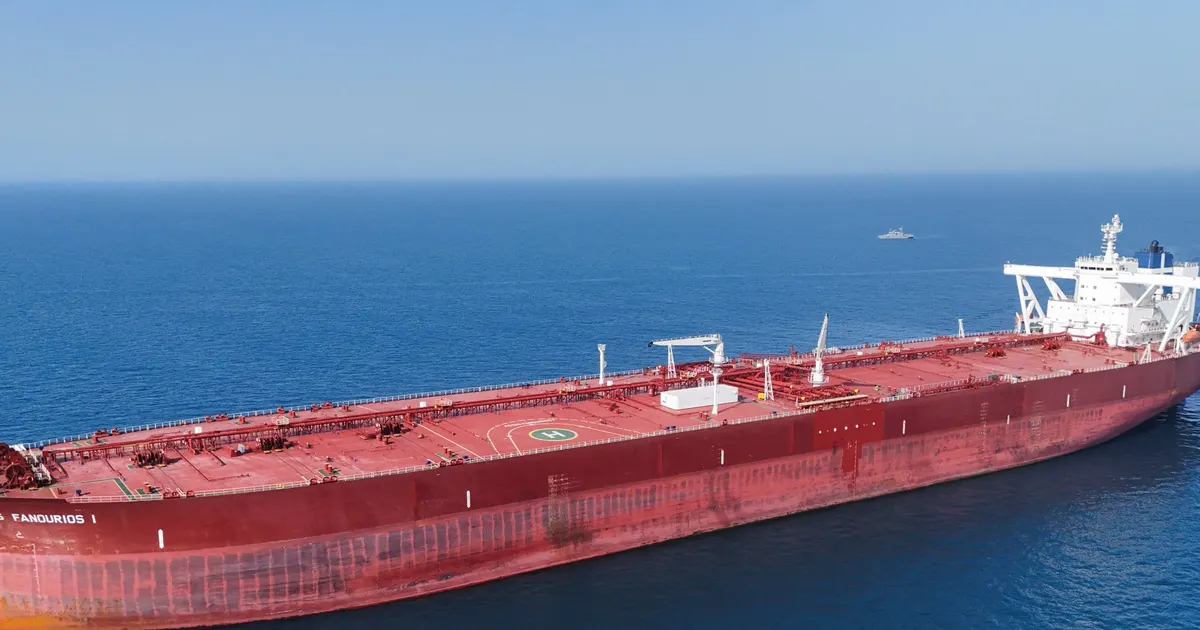
Brent fell more than 9% to $90.38 on Friday after Iran said the Strait of Hormuz was open during a Lebanon ceasefire. On Saturday Iran reversed the decision, saying it would block transit while the US blockade of its ports continued.
Trump said the blockade would stay in force until a broader deal was reached.
The reversal revives supply risk, so crude prices are likely to rebound from their recent lows. Renewed uncertainty keeps energy and fertilizer costs elevated for feed makers.
 aljazeera.comJohn Power18 апр. 2026 г.
После 656 прошлых событий (события «геополитика»: бычий) Нефть (Brent) в среднем изменился на +1,9 % за 5 сессий (63% вверх; средняя половина от -2,7 % до +6,6 %) и на +0,7 % за 20.
После 626 прошлых событий (события «геополитика»: бычий) Нефть (WTI) в среднем изменился на +2,1 % за 5 сессий (62% вверх; средняя половина от -2,3 % до +8,5 %) и на +1,6 % за 20.
После 250 прошлых событий (события «геополитика»: бычий) ULSD / дизельное топливо в среднем изменился на +1,7 % за 5 сессий (58% вверх; средняя половина от -3,6 % до +8,7 %) и на +0,9 % за 20.
Изменения бенчмарка каждого товара относительно последнего закрытия до события. Исторические данные объединяют прошлые события того же типа; они описывают случившееся, а не то, что произойдёт. Не является инвестиционной рекомендацией.
Iran reversing the Hormuz opening on April 18 and the US blockade staying in force renewed supply fears, a plausible driver of a rebound in WTI after the April 17 plunge.
Documents the Friday plunge to $90.38 and the weekend reversal by Iran, giving context for the move and for risk of rebound.
