Загрузка…
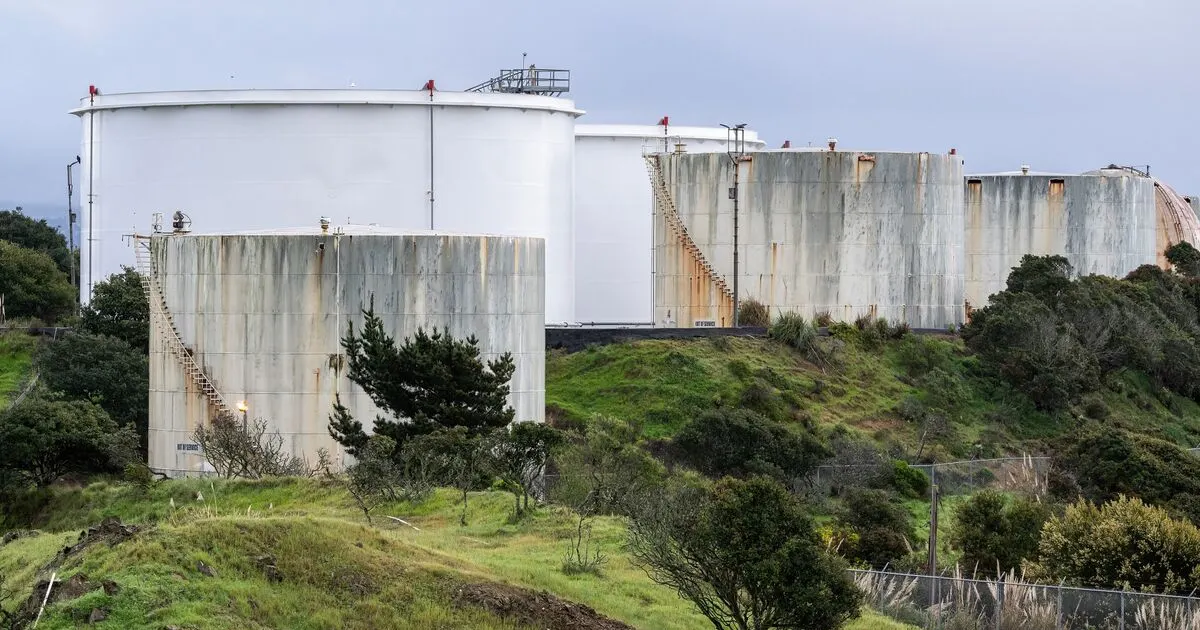
Brent crude settled up sharply, rising about 9.7% to $95.73 and trading above $100 as multiple vessel attacks across the Arabian Gulf widened Iran's maritime disruption beyond the Strait of Hormuz. The move marked the highest level in almost a long stretch.
Disruption to Gulf tanker traffic tightens crude supply and lifts energy costs, which raises biofuel feedstock values and pushes up freight and fuel expenses for feed producers. Higher energy prices also tend to support soybean oil and vegetable oil prices.
 bloomberg.comMia Gindis, Charles Gorrivan12 мар. 2026 г.
После 656 прошлых событий (события «геополитика»: бычий) Нефть (Brent) в среднем изменился на +1,9 % за 5 сессий (63% вверх; средняя половина от -2,7 % до +6,6 %) и на +0,7 % за 20.
После 626 прошлых событий (события «геополитика»: бычий) Нефть (WTI) в среднем изменился на +2,1 % за 5 сессий (62% вверх; средняя половина от -2,3 % до +8,5 %) и на +1,6 % за 20.
После 250 прошлых событий (события «геополитика»: бычий) ULSD / дизельное топливо в среднем изменился на +1,7 % за 5 сессий (58% вверх; средняя половина от -3,6 % до +8,7 %) и на +0,9 % за 20.
После 110 прошлых событий (события «геополитика»: бычий) Соевое масло в среднем изменился на +1,8 % за 5 сессий (65% вверх; средняя половина от -0,7 % до +3,6 %) и на -0,4 % за 20.
Изменения бенчмарка каждого товара относительно последнего закрытия до события. Исторические данные объединяют прошлые события того же типа; они описывают случившееся, а не то, что произойдёт. Не является инвестиционной рекомендацией.
Same-day Brent surge of about 9.7% to $95.73 as vessel attacks widened the Gulf maritime disruption beyond Hormuz, directly explaining the move.
Brent rose ~9.7% to $95.73 and traded above $100 on March 12 as vessel attacks widened the Gulf disruption, directly adding to the 5-day gain.
Brent topped $100 on Mar 12 as vessel attacks widened the maritime disruption beyond Hormuz, raising crude and diesel costs in the window.
Brent rose about 9.7% and topped $100 on March 12 as vessel attacks widened the Gulf disruption, a direct crude input to ULSD.
