Загрузка…
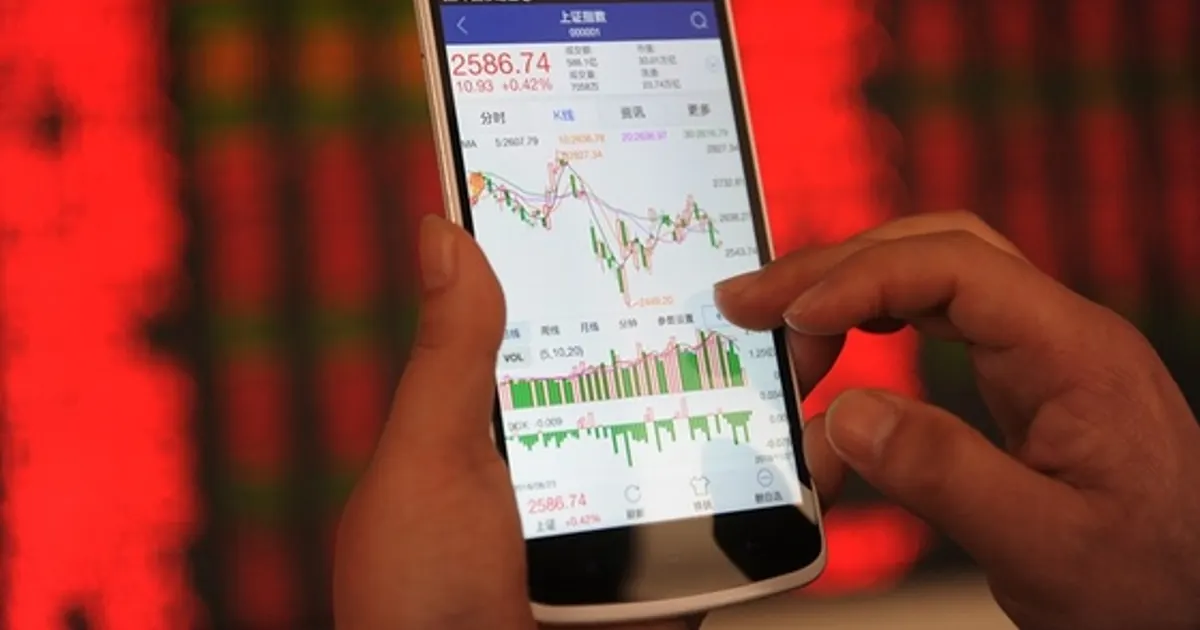
Chinese stocks rallied and the yuan strengthened on December 3, 2018, after Xi and Trump agreed to hold off new tariffs at the G20. The White House said both sides would negotiate for 90 days, with tariffs rising from 10% to 25% if no deal is reached, and that China would buy substantial US goods.
The deferred tariff increase on $200 billion of Chinese imports and the pledged Chinese purchases support US soybean and grain export demand.
 caixinglobal.comLiu Jiefei3 дек. 2018 г.
После 696 прошлых событий (события «торговля»: бычий) Соя в среднем изменился на +0,3 % за 5 сессий (54% вверх; средняя половина от -1,3 % до +1,9 %) и на +0,7 % за 20.
После 729 прошлых событий (события «торговля»: бычий) Кукуруза в среднем изменился на +0,4 % за 5 сессий (56% вверх; средняя половина от -1,1 % до +1,8 %) и на +0,5 % за 20.
Изменения бенчмарка каждого товара относительно последнего закрытия до события. Исторические данные объединяют прошлые события того же типа; они описывают случившееся, а не то, что произойдёт. Не является инвестиционной рекомендацией.
The tariff delay and China's pledge to buy US goods reinforced the risk-on trade sentiment that supported grain futures.
It confirms the Xi-Trump tariff delay and Chinese pledges to buy US goods on Dec 3, the catalyst behind the risk-on move, but it covers Chinese equities and the yuan rather than corn.
