Загрузка…
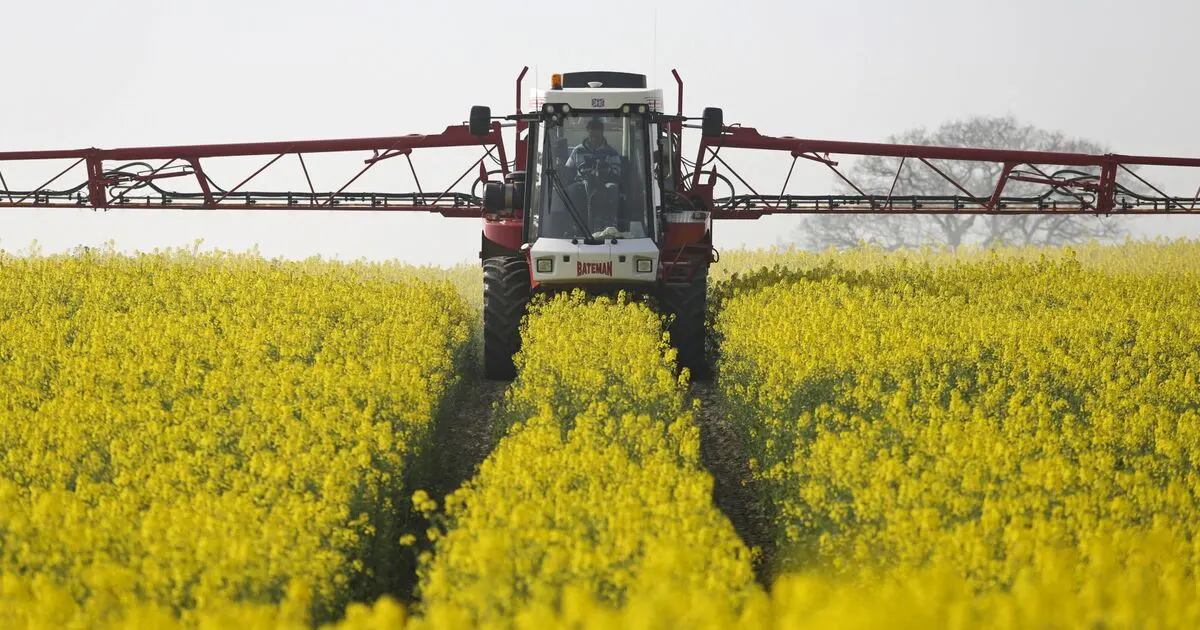
Fertilizer prices have reached a nine-year high as global inflation pushes up input costs. Higher freight rates, increased tariffs, rising energy costs and constrained supplies of nitrogen, potash and phosphate are all contributing.
Growers are applying more fertilizer as corn and wheat values have risen.
Higher fertilizer costs raise the cost of grain production, supporting crop prices and feeding through to feed input costs over time. Elevated nitrogen, potash and phosphate prices also squeeze farm margins and may reduce future planted acreage.
 bloomberg.comElizabeth Elkin27 авг. 2021 г.
После 92 прошлых событий (события «макро»: бычий) Мочевина в среднем изменился на +0,0 % за 5 сессий (50% вверх; средняя половина от -2,0 % до +3,6 %) и на +4,8 % за 20.
Пока недостаточно сопоставимых прошлых событий для исторического анализа.
После 28 прошлых событий (события «макро»: бычий) DAP в среднем изменился на -0,2 % за 5 сессий (36% вверх; средняя половина от -0,9 % до +1,3 %) и на -0,8 % за 20.
Изменения бенчмарка каждого товара относительно последнего закрытия до события. Исторические данные объединяют прошлые события того же типа; они описывают случившееся, а не то, что произойдёт. Не является инвестиционной рекомендацией.
Bloomberg reported fertilizer prices at a nine-year high on higher freight, energy costs and tight phosphate supply, which directly supports DAP price strength on the day of the move.
Bloomberg reported fertilizer prices at a nine-year high on inflation, freight, energy and tight phosphate supply, which fits the DAP price rise, though it was published a day after the move ended.
