Загрузка…
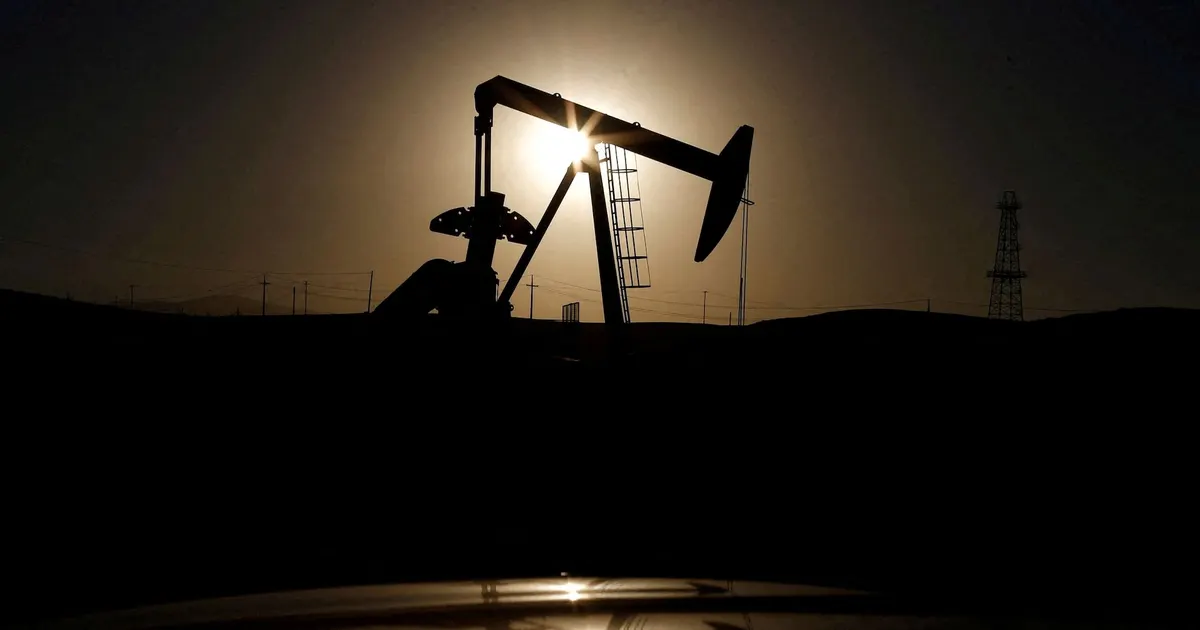
Oil prices spiked and then crashed in March 2022, driven by medium-term fundamentals, strain from disruption to Russian oil exports, and thin market liquidity. The short-term trigger for the sell-off was improved prospects for a truce between Russia and Ukraine.
Extreme crude volatility transmits directly into diesel and energy costs for feed mills and farms, and a Russia-Ukraine truce would ease supply fears that had supported grain and oilseed prices.
 reuters.comJohn Kemp17 мар. 2022 г.
После 255 прошлых событий (события «геополитика»: медвежий) Нефть (WTI) в среднем изменился на -2,4 % за 5 сессий (31% вверх; средняя половина от -7,0 % до +1,7 %) и на -5,0 % за 20.
После 250 прошлых событий (события «геополитика»: медвежий) Нефть (Brent) в среднем изменился на -3,1 % за 5 сессий (36% вверх; средняя половина от -7,9 % до +1,6 %) и на -5,5 % за 20.
После 51 прошлых событий (события «геополитика»: медвежий) ULSD / дизельное топливо в среднем изменился на -2,4 % за 5 сессий (37% вверх; средняя половина от -8,2 % до +3,9 %) и на -2,3 % за 20.
Изменения бенчмарка каждого товара относительно последнего закрытия до события. Исторические данные объединяют прошлые события того же типа; они описывают случившееся, а не то, что произойдёт. Не является инвестиционной рекомендацией.
The sell-off was triggered by improved truce prospects and aggravated by thin liquidity, explaining the sharp collapse.
Explains the crash as unwinding of a spike on thin liquidity, with improved truce prospects as the trigger.
The sell-off was attributed to improved truce prospects and thin liquidity, which amplified the downward move.
The mid-March sell-off on truce hopes created the depressed starting level, so the following rebound was large in percentage terms.
