Загрузка…
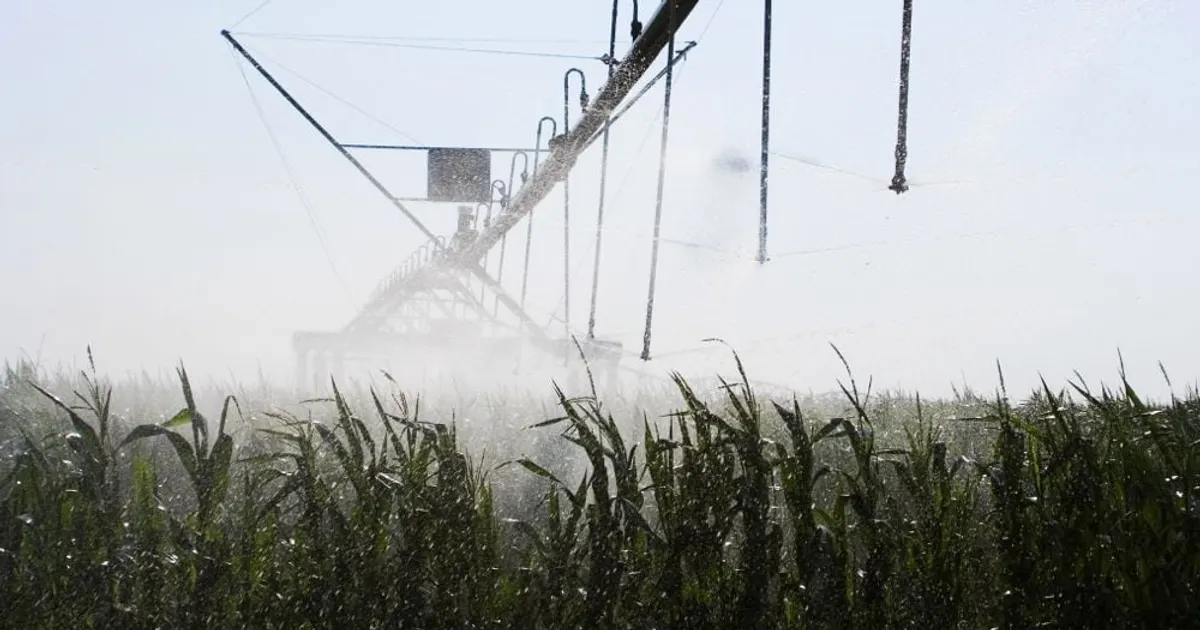
US soybean and corn futures rose on 17 July after USDA reported that good-to-excellent ratings fell to 69% for soybeans and 72% for corn, down from the prior week. Hot, dry weather drove the decline, and traders also hoped for a resolution to the US-China trade dispute.
Lower crop conditions during the key pollination and August soybean development period raise yield risk and support prices, though the ratings are still relatively good by historical standards.
 grainews.caGFM Network News17 июл. 2018 г.
После 1 465 прошлых событий (события «погода»: бычий) Кукуруза в среднем изменился на +0,2 % за 5 сессий (54% вверх; средняя половина от -1,4 % до +1,9 %) и на +0,9 % за 20.
После 1 079 прошлых событий (события «погода»: бычий) Соя в среднем изменился на +0,3 % за 5 сессий (54% вверх; средняя половина от -1,4 % до +2,0 %) и на +0,9 % за 20.
Изменения бенчмарка каждого товара относительно последнего закрытия до события. Исторические данные объединяют прошлые события того же типа; они описывают случившееся, а не то, что произойдёт. Не является инвестиционной рекомендацией.
Corn futures rose on 17 July after USDA cut good-to-excellent ratings to 72% amid hot, dry weather, a direct supply-risk driver within the 5-day window.
Corn futures rose on 17 July as USDA crop ratings fell, a supply-side weather sentiment driver, though the stated move ends 15 July and timing is slightly off.
