Загрузка…
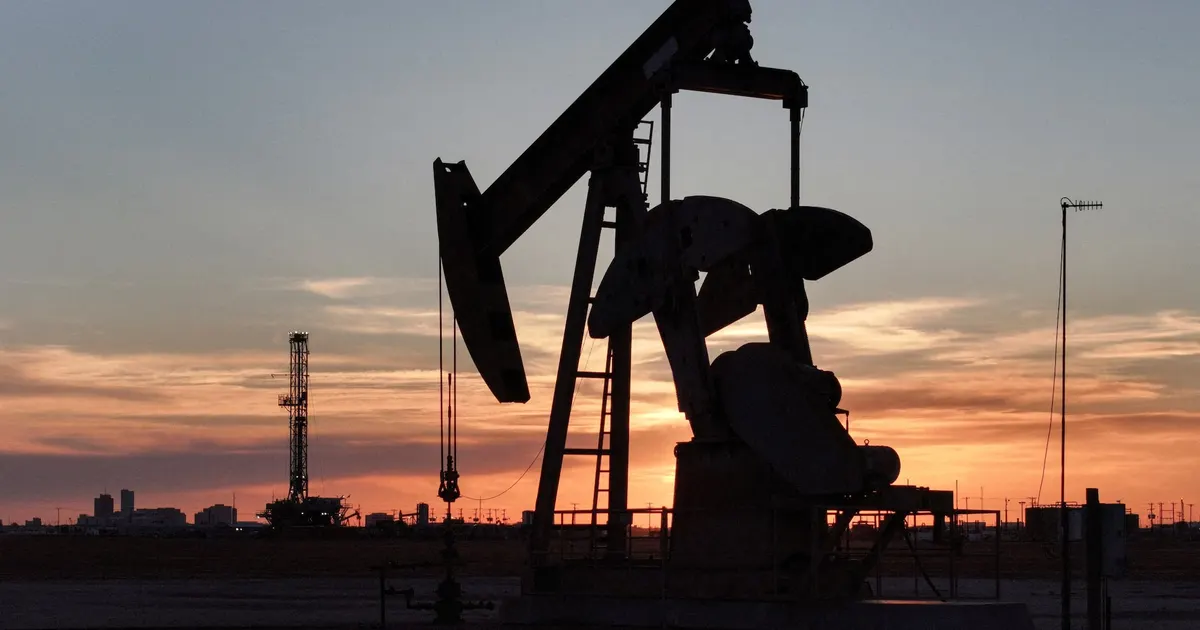
Oil settled up nearly 5% as fresh attacks on ships in the Strait of Hormuz pushed the number of vessels struck to at least 14. Shipping through the strait has nearly stopped since the US and Israel began strikes on Iran on February 28.
The IEA recommended a record 400 million barrel stock release to curb prices.
Disrupted Hormuz shipping removes about a fifth of world oil supply, keeping crude and diesel costs elevated. The record IEA stock release partly offsets supply losses, but ongoing attacks support higher energy and freight costs for feed producers.
 reuters.comShariq Khan10 мар. 2026 г.
После 626 прошлых событий (события «геополитика»: бычий) WTI в среднем изменился на +2,1 % за 5 сессий (62% вверх; средняя половина от -2,3 % до +8,5 %) и на +1,6 % за 20.
После 656 прошлых событий (события «геополитика»: бычий) BRENT в среднем изменился на +1,9 % за 5 сессий (63% вверх; средняя половина от -2,7 % до +6,6 %) и на +0,7 % за 20.
После 250 прошлых событий (события «геополитика»: бычий) DIESEL в среднем изменился на +1,7 % за 5 сессий (58% вверх; средняя половина от -3,6 % до +8,7 %) и на +0,9 % за 20.
Пока недостаточно сопоставимых прошлых событий для исторического анализа.
Изменения бенчмарка каждого товара относительно последнего закрытия до события. Исторические данные объединяют прошлые события того же типа; они описывают случившееся, а не то, что произойдёт. Не является инвестиционной рекомендацией.
Oil settled up ~5% as attacks on ships in Hormuz mounted, adding supply-risk premium despite the record IEA stock release plan.
Oil rose nearly 5% on Mar 10 as attacks on ships in Hormuz mounted (at least 14 vessels struck), adding risk premium that carried into diesel despite the IEA stock release plan.
Oil settled up nearly 5% as ships were attacked in Hormuz, adding to crude and diesel gains during the window.
Attacks on ships in Hormuz (14+ vessels struck) on Mar 10 show the escalating supply risk that carried into Mar 12, partly offset by the stock release plan.
Смотреть версию на 29 сек. · Oil settles up nearly 5% as Hormuz attacks hit 14 ships: what it means for feed costs
