Загрузка…
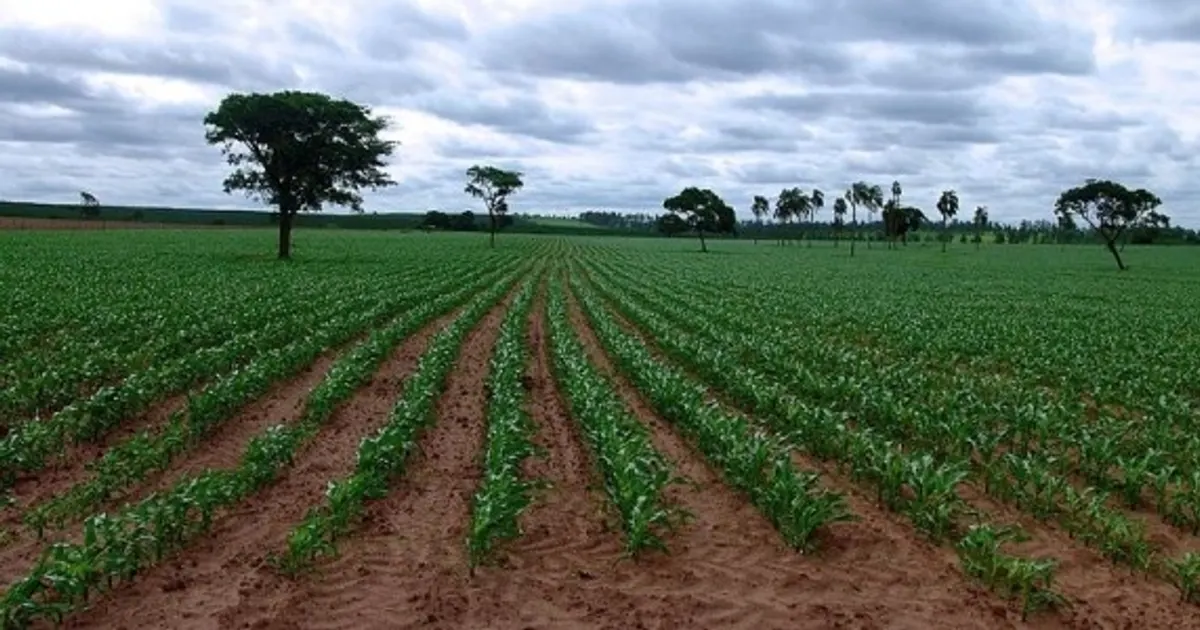
A study led by researchers at UNICAMP's Center for Environmental Studies, supported by FAPESP and the Belmont Forum, finds that climate change could expose Brazil's safrinha (second-crop) corn to extreme drought. The crop is planted after the summer soybean and corn harvest and grown between January and April in the Center-West, Southeast and South.
The findings point to rising risk for agribusiness productivity and export leadership.
A higher drought risk for Brazil's second-crop corn could tighten export supplies later in the year and support corn prices. The effect is long-term research rather than an immediate production shock, so the current price impact is limited.
 agencia.fapesp.brFAPESP15 июл. 2020 г.
После 1 465 прошлых событий (события «погода»: бычий) Кукуруза в среднем изменился на +0,2 % за 5 сессий (54% вверх; средняя половина от -1,4 % до +1,9 %) и на +0,9 % за 20.
Изменения бенчмарка каждого товара относительно последнего закрытия до события. Исторические данные объединяют прошлые события того же типа; они описывают случившееся, а не то, что произойдёт. Не является инвестиционной рекомендацией.
