Загрузка…
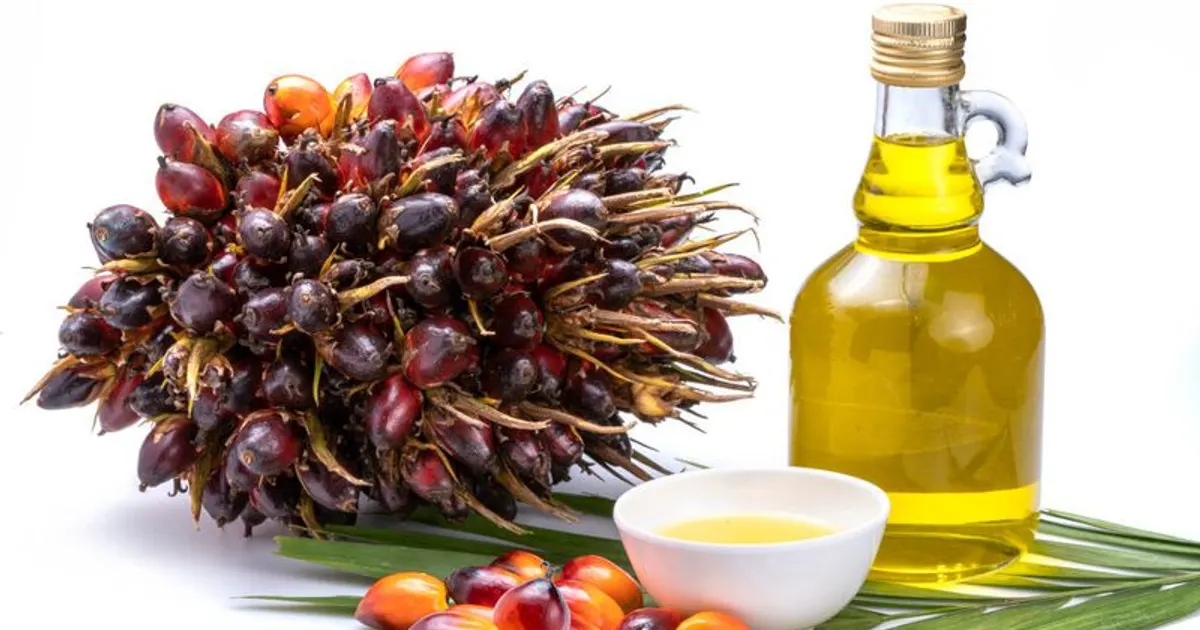
Indonesia tightened its palm oil export quota ratio to 1:4 from 1:6, cutting the amount exporters can ship relative to domestic sales. The trade ministry will also release about 3 million mt of frozen export permits gradually through January 2024, at roughly 336,000 mt per month.
Analysts estimate Indonesian supply could fall about 30% in the near term, which tightens global vegetable oil supply and supports palm and substitute oil prices. The phased release of held-back permits limits how far the squeeze will run.
 ukragroconsult.com28 апр. 2023 г.
После 548 прошлых событий (события «политика»: бычий) Пальмовое масло в среднем изменился на +0,4 % за 5 сессий (61% вверх; средняя половина от -0,7 % до +2,1 %) и на +0,9 % за 20.
После 842 прошлых событий (события «политика»: бычий) Соевое масло в среднем изменился на +0,2 % за 5 сессий (52% вверх; средняя половина от -1,6 % до +2,1 %) и на -0,5 % за 20.
Пока недостаточно сопоставимых прошлых событий для исторического анализа.
Изменения бенчмарка каждого товара относительно последнего закрытия до события. Исторические данные объединяют прошлые события того же типа; они описывают случившееся, а не то, что произойдёт. Не является инвестиционной рекомендацией.
Indonesia's export quota ratio change and gradual release of about 3 million mt of frozen export permits raised expected export supply.
Indonesia's gradual release of frozen export permits and quota ratio change point to more palm oil supply reaching global markets, which is bearish for competing vegetable oils.
