Загрузка…
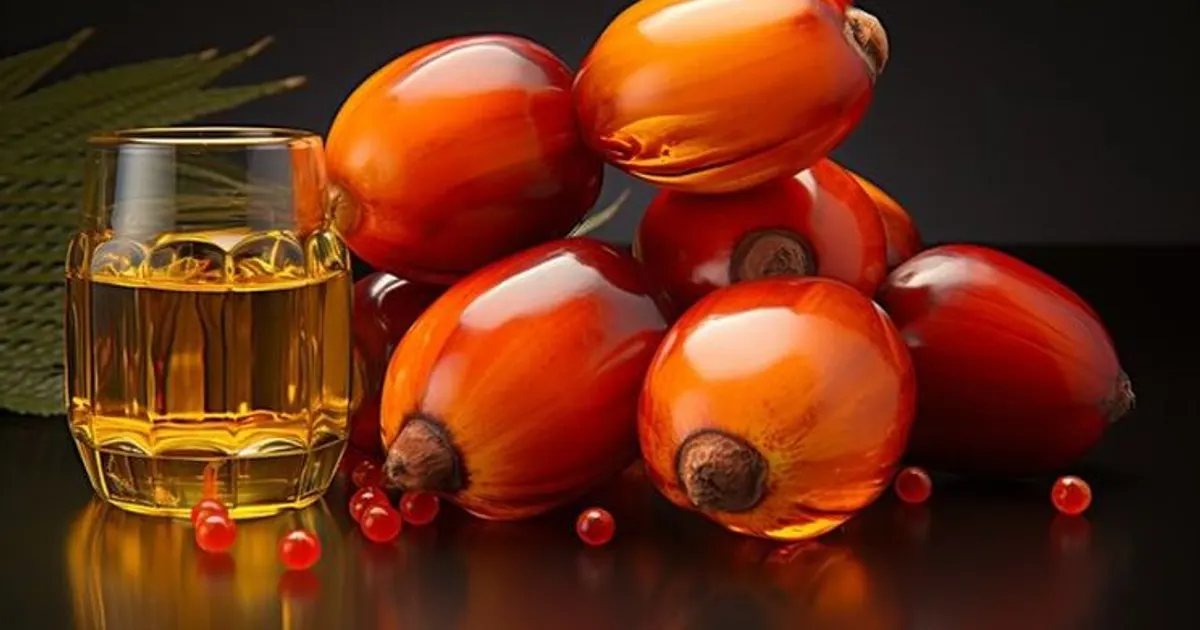
Palm oil futures in Kuala Lumpur rose as much as 2.6% to 4,500 ringgit a metric ton on October 23, the highest since July 2022, with the year-to-date rally above 20%. Indonesian output may reach only 51 million tonnes this year, down from 54.8 million in 2023, due to lingering El Niño impacts and aging, slow-to-replant plantations.
Palm has also traded at a rare premium to soyoil.
Persistent supply shortfalls in the two largest producers keep vegetable oil prices firm, adding to feed and food cost pressure. The premium over soyoil may also shift buyers toward soy-based alternatives.
 ukragroconsult.com24 окт. 2024 г.
После 181 прошлых событий (события «погода»: бычий) Пальмовое масло в среднем изменился на +0,5 % за 5 сессий (56% вверх; средняя половина от -0,9 % до +1,9 %) и на +0,3 % за 20.
Изменения бенчмарка каждого товара относительно последнего закрытия до события. Исторические данные объединяют прошлые события того же типа; они описывают случившееся, а не то, что произойдёт. Не является инвестиционной рекомендацией.
Lower Indonesian output expected due to El Niño and aging trees, plus a palm premium over soyoil, signal supply tightness supporting the rally.
