Загрузка…
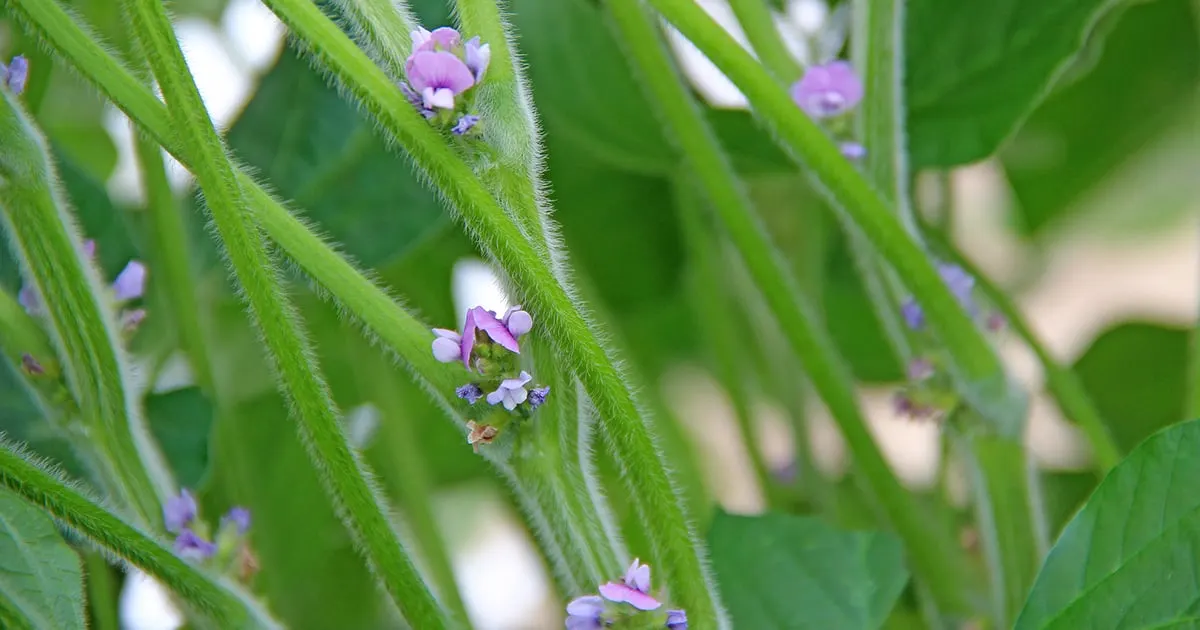
Farm Press reported that high temperatures and dry weather in the Midwest could hinder crop development. NASS cut its 2022 soybean acreage forecast to 88.3 million acres from 91 million in March, a larger drop than expected, and North Dakota farmers could not plant an estimated 1.1 million acres of soybeans due to flooding.
A smaller-than-expected soybean area combined with heat risk tightens supply expectations, supporting soybean and soybean meal prices.
 farmprogress.comForrest Laws25 июл. 2022 г.
После 1 079 прошлых событий (события «погода»: бычий) Соя в среднем изменился на +0,3 % за 5 сессий (54% вверх; средняя половина от -1,4 % до +2,0 %) и на +0,9 % за 20.
После 453 прошлых событий (события «погода»: бычий) Соевый шрот в среднем изменился на +0,5 % за 5 сессий (55% вверх; средняя половина от -1,6 % до +2,7 %) и на +0,5 % за 20.
После 445 прошлых событий (события «погода»: нейтральный) Кукуруза в среднем изменился на +0,1 % за 5 сессий (52% вверх; средняя половина от -1,4 % до +1,6 %) и на +0,7 % за 20.
Изменения бенчмарка каждого товара относительно последнего закрытия до события. Исторические данные объединяют прошлые события того же типа; они описывают случившееся, а не то, что произойдёт. Не является инвестиционной рекомендацией.
NASS cut soybean acreage well below expectations while heat and dryness threatened crop development, tightening supply expectations.
Heat and dryness in the Midwest and a larger-than-expected cut in soybean acreage tightened expected US supply.
