Carregando…
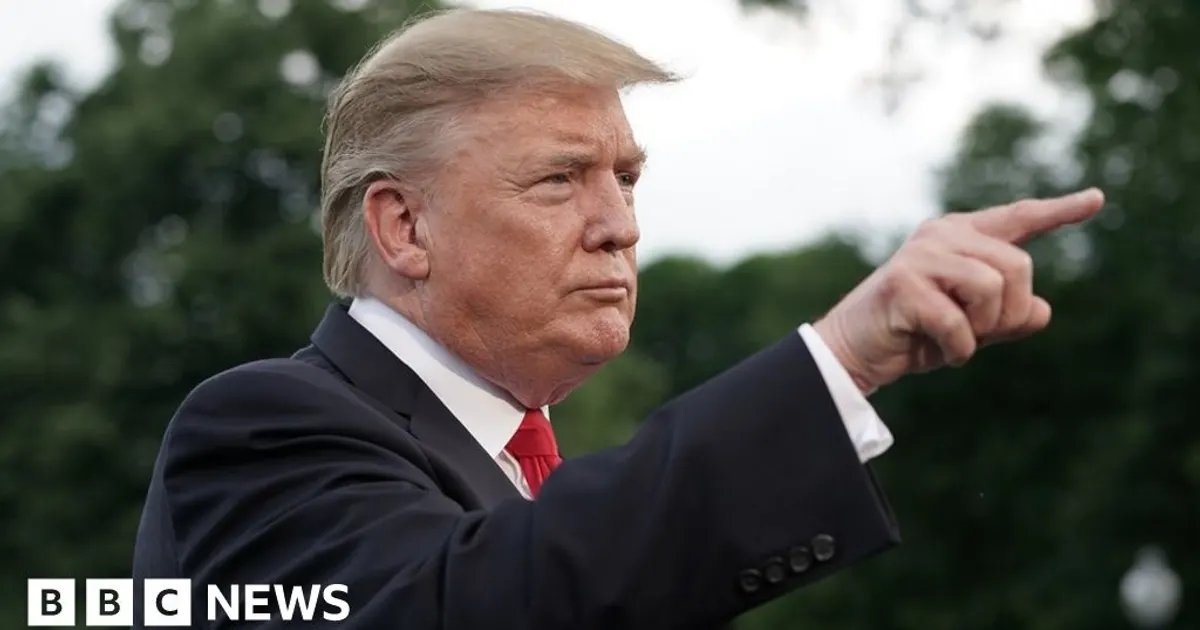
President Trump announced a fresh 10% tariff on another $300 billion of Chinese goods, effective September 1, after bilateral talks made little progress. He accused China of not honoring commitments to buy more U.S. agricultural products.
Chinese Foreign Minister Wang Yi criticized the move, and markets fell sharply in response.
Tariffs on the broad range of Chinese imports and the complaint about unmet farm purchases point to reduced U.S. agricultural export demand to China. That is bearish for soybeans and other U.S. feed grains.
 agronews.com.plMałgorzata Kulma5 de ago. de 2019
 bbc.comAdd as preferred on Google1 de ago. de 2019
 cnbc.comReuters1 de ago. de 2019
 nutraingredients.comHank Schultz2 de ago. de 2019
Após 683 eventos baixista de comércio passados, Milho subiu em mediana -0,2% em 5 sessões (47% de alta; metade central de -1,7% a +1,6%), e +0,3% em 20.
Após 803 eventos baixista de comércio passados, Soja em grão subiu em mediana +0,0% em 5 sessões (51% de alta; metade central de -1,7% a +1,7%), e +0,9% em 20.
Ainda não há eventos comparáveis passados suficientes para uma leitura histórica.
Após 80 eventos baixista de comércio passados, Petróleo (WTI) subiu em mediana -2,2% em 5 sessões (30% de alta; metade central de -6,9% a +0,8%), e -1,5% em 20.
Variações do benchmark de cada commodity desde o último fechamento antes do evento. As leituras históricas agregam eventos passados do mesmo tipo; descrevem o que aconteceu, não o que vai acontecer. Não é recomendação de investimento.
The new 10% tariff on $300B of Chinese goods triggered the trade escalation and recession fears that hit crude demand expectations.
The Aug 1 tariff escalation and accusation that China wasn't buying US farm goods raised fears of lost export demand, setting up the sell-off that carried into Aug 5.
