Carregando…
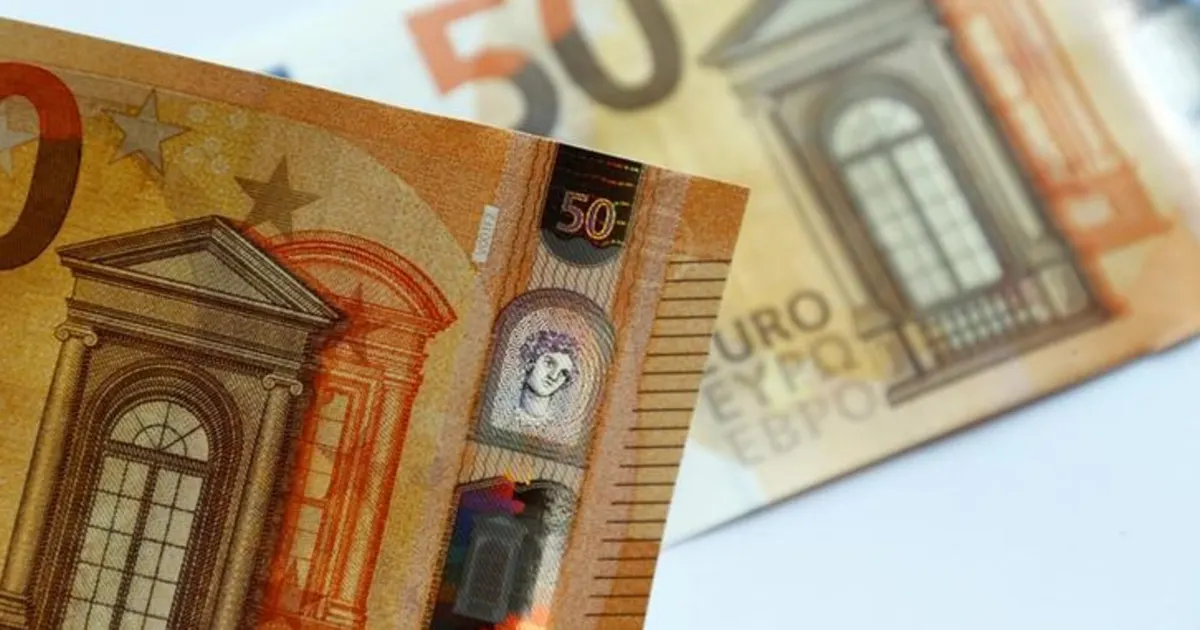
The euro has weakened largely because of diverging monetary policy between the U.S. Federal Reserve, which is raising rates, and the ECB, which is injecting hundreds of billions of euros through quantitative easing. The ECB's ultra-loose policy aims to ward off deflation, shore up banks and reflate the economy.
The weaker currency benefits euro zone exporters.
A weaker euro against the dollar makes euro zone exports more competitive and tends to lower dollar-denominated prices for imported goods, which can weigh on dollar-based feed commodity demand from Europe. Continued dollar strength would pressure U.S. commodity prices in dollar terms.
 reuters.comJamie McGeever3 de fev. de 2017
Após 533 eventos baixista de macro passados, Euro (USD por EUR) subiu em mediana -0,3% em 5 sessões (33% de alta; metade central de -1,2% a +0,2%), e -0,5% em 20.
Após 2.356 eventos altista de macro passados, Dólar americano (amplo) subiu em mediana +0,2% em 5 sessões (60% de alta; metade central de -0,3% a +0,7%), e +0,4% em 20.
Variações do benchmark de cada commodity desde o último fechamento antes do evento. As leituras históricas agregam eventos passados do mesmo tipo; descrevem o que aconteceu, não o que vai acontecer. Não é recomendação de investimento.
