Carregando…
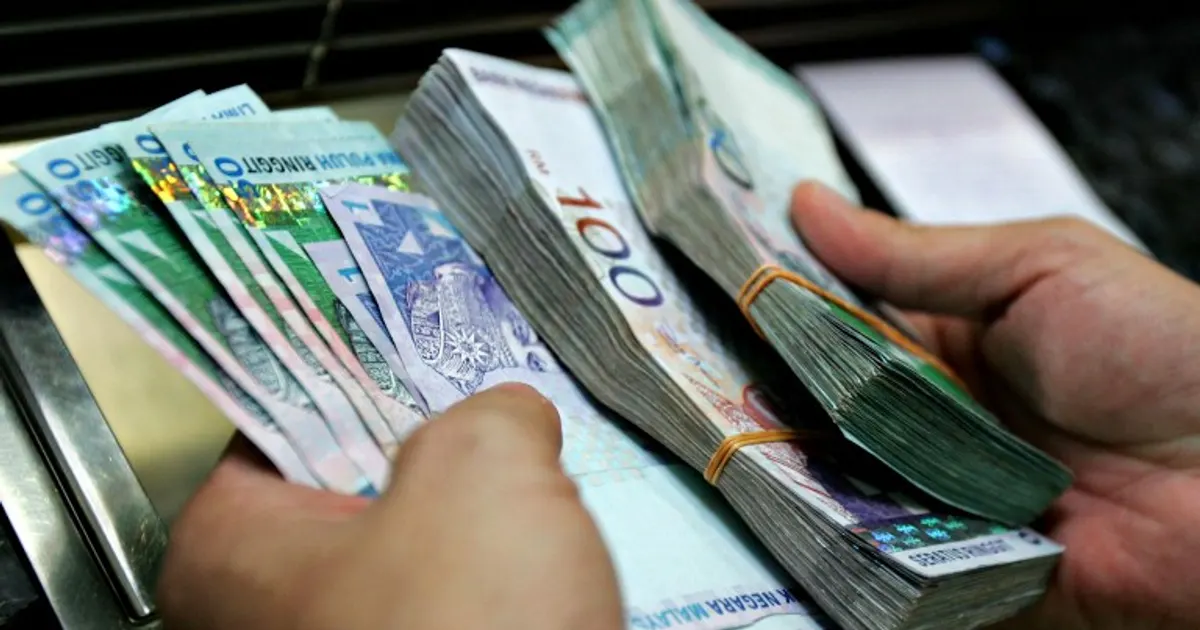
The ringgit had a mixed 2018, starting the year strong after climbing from a historic low, then weakening sharply in the second quarter. Analysts attribute the swings mainly to external drivers such as trade tensions, emerging market stress, Fed hike expectations, crude oil moves and US dollar strength.
A weaker ringgit lowers the cost of Malaysian palm oil in dollar terms for buyers, which can support palm-based feed ingredients, while currency swings feed into landed feed costs.
 malaymail.com31 de dez. de 2018
Ainda não há eventos comparáveis passados suficientes para uma leitura histórica.
Após 86 eventos neutro de macro passados, Óleo de palma subiu em mediana +0,3% em 5 sessões (56% de alta; metade central de -1,6% a +2,0%), e +1,0% em 20.
Variações do benchmark de cada commodity desde o último fechamento antes do evento. As leituras históricas agregam eventos passados do mesmo tipo; descrevem o que aconteceu, não o que vai acontecer. Não é recomendação de investimento.
