Carregando…
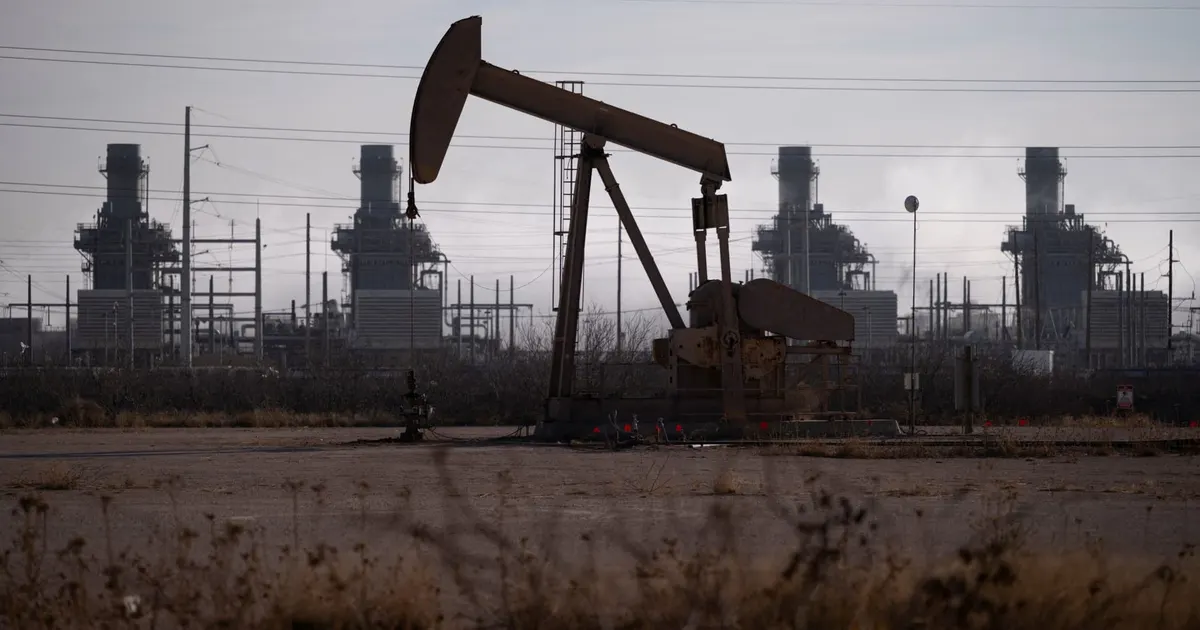
U.S. crude posted its biggest weekly gain in futures history, rising about 35% to $90.90, while Brent gained about 28% for its biggest weekly gain since April 2020. The surge followed Trump's demand for Iran's unconditional surrender and Qatar's warning that Gulf exports could halt if Hormuz tankers cannot pass.
A near standstill in Hormuz traffic threatens global fuel supply, pushing up energy, fertilizer and freight costs that squeeze feed margins and could lift vegetable oil prices through biofuel demand.
 cnbc.comSpencer Kimball, Chloe Taylor, Sam Meredith6 de mar. de 2026
Após 626 eventos altista de geopolítica passados, Petróleo (WTI) subiu em mediana +2,1% em 5 sessões (62% de alta; metade central de -2,3% a +8,5%), e +1,6% em 20.
Após 656 eventos altista de geopolítica passados, Petróleo (Brent) subiu em mediana +1,9% em 5 sessões (63% de alta; metade central de -2,7% a +6,6%), e +0,7% em 20.
Após 205 eventos altista de geopolítica passados, Ureia subiu em mediana +0,4% em 5 sessões (53% de alta; metade central de -2,1% a +3,0%), e -0,4% em 20.
Ainda não há eventos comparáveis passados suficientes para uma leitura histórica.
Variações do benchmark de cada commodity desde o último fechamento antes do evento. As leituras históricas agregam eventos passados do mesmo tipo; descrevem o que aconteceu, não o que vai acontecer. Não é recomendação de investimento.
Documents the record weekly gain ending March 6 driven by Hormuz closure risk and Qatar's warning of halted Gulf exports.
US crude posted a record ~35% weekly gain to $90.90 as Hormuz disruption and Gulf export-halt warnings drove the move.
Dated March 6, it reports record weekly oil gains and cites Trump's surrender demand and Qatar's warning that Gulf exports could halt, which directly fits the Brent jump that day.
Weekly summary tied to Qatar's warning that Gulf exports could halt and Trump's demand for surrender, which are escalation catalysts adding to the late-week rally.
