Carregando…
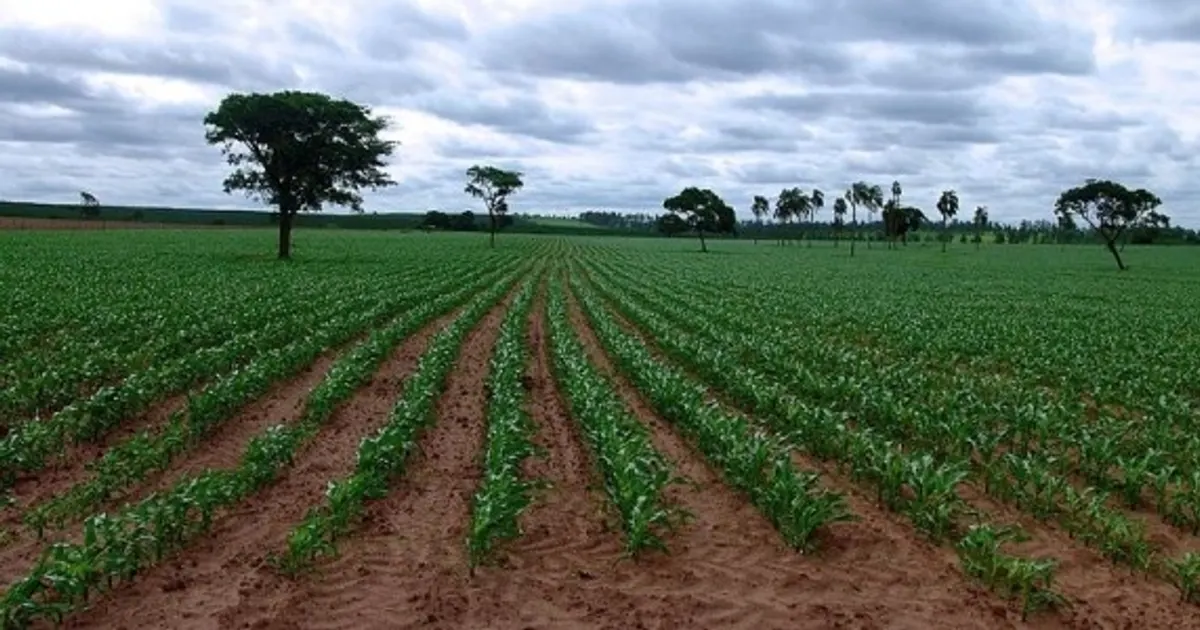
A study led by researchers at UNICAMP's Center for Environmental Studies, supported by FAPESP and the Belmont Forum, finds that climate change could expose Brazil's safrinha (second-crop) corn to extreme drought. The crop is planted after the summer soybean and corn harvest and grown between January and April in the Center-West, Southeast and South.
The findings point to rising risk for agribusiness productivity and export leadership.
A higher drought risk for Brazil's second-crop corn could tighten export supplies later in the year and support corn prices. The effect is long-term research rather than an immediate production shock, so the current price impact is limited.
 agencia.fapesp.brFAPESP15 de jul. de 2020
Após 1.465 eventos altista de clima passados, Milho subiu em mediana +0,2% em 5 sessões (54% de alta; metade central de -1,4% a +1,9%), e +0,9% em 20.
Variações do benchmark de cada commodity desde o último fechamento antes do evento. As leituras históricas agregam eventos passados do mesmo tipo; descrevem o que aconteceu, não o que vai acontecer. Não é recomendação de investimento.
