Carregando…
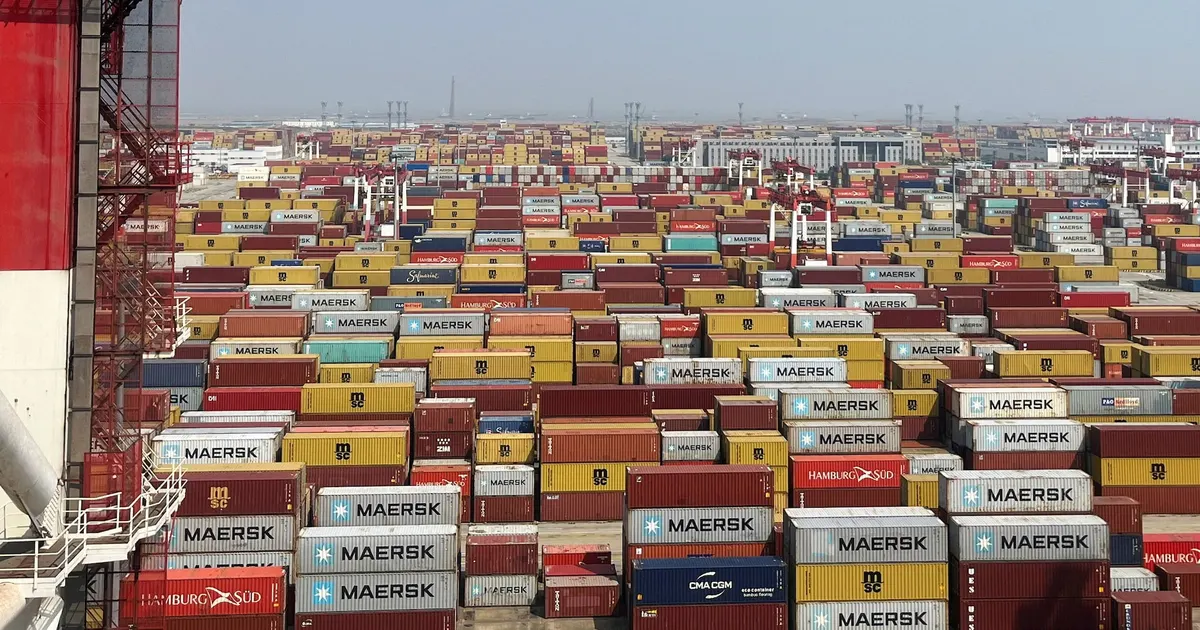
China retaliated against US tariffs with duties on US farm products, after China had already shifted soybean purchases toward Brazil. About half of US soybean exports went to China in 2024, worth $12.8 billion.
US corn exports to China fell sharply in 2024 as Chinese domestic production rose and Brazil overtook the US as the top supplier.
China's declining reliance on US soybeans and corn reduces the value of US export demand and leaves US prices more exposed to tariff-driven shifts. Brazilian supply continues to gain share in China's feed grain and oilseed imports.
 reuters.comMei Mei Chu1 de abr. de 2025
Após 803 eventos baixista de comércio passados, Soja em grão subiu em mediana +0,0% em 5 sessões (51% de alta; metade central de -1,7% a +1,7%), e +0,9% em 20.
Após 683 eventos baixista de comércio passados, Milho subiu em mediana -0,2% em 5 sessões (47% de alta; metade central de -1,7% a +1,6%), e +0,3% em 20.
Variações do benchmark de cada commodity desde o último fechamento antes do evento. As leituras históricas agregam eventos passados do mesmo tipo; descrevem o que aconteceu, não o que vai acontecer. Não é recomendação de investimento.
Background on China's retaliation against US farm goods and the heavy reliance of US soybean exports on China (about half), which makes the demand-loss risk large.
