Carregando…
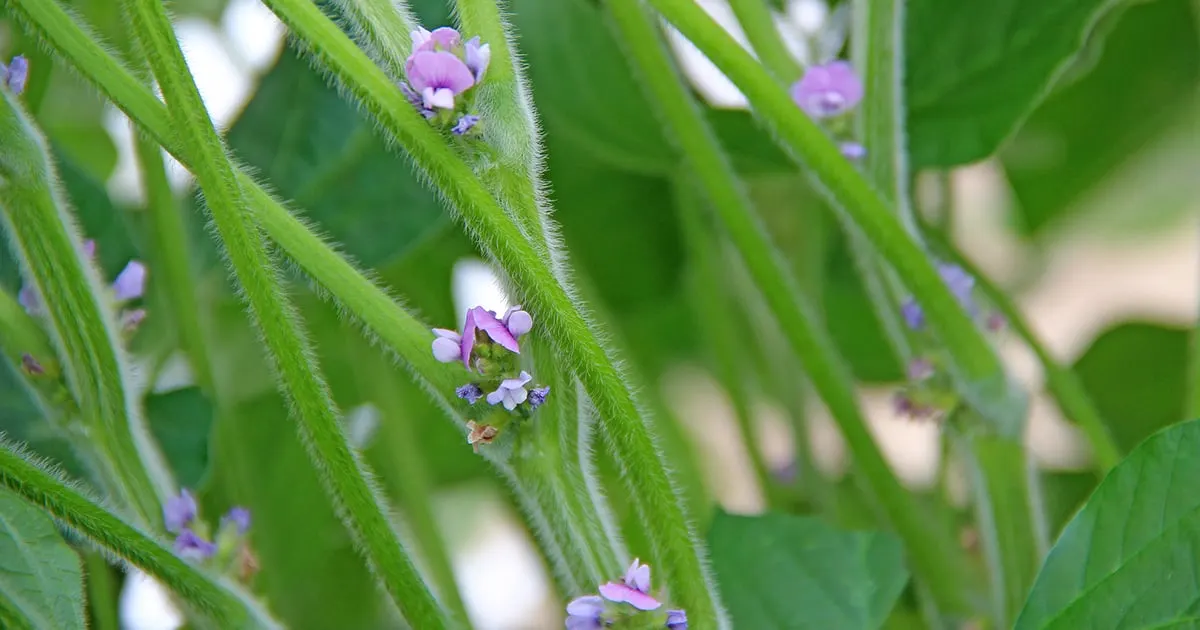
Farm Press reported that high temperatures and dry weather in the Midwest could hinder crop development. NASS cut its 2022 soybean acreage forecast to 88.3 million acres from 91 million in March, a larger drop than expected, and North Dakota farmers could not plant an estimated 1.1 million acres of soybeans due to flooding.
A smaller-than-expected soybean area combined with heat risk tightens supply expectations, supporting soybean and soybean meal prices.
 farmprogress.comForrest Laws25 de jul. de 2022
Após 1.079 eventos altista de clima passados, Soja em grão subiu em mediana +0,3% em 5 sessões (54% de alta; metade central de -1,4% a +2,0%), e +0,9% em 20.
Após 453 eventos altista de clima passados, Farelo de soja subiu em mediana +0,5% em 5 sessões (55% de alta; metade central de -1,6% a +2,7%), e +0,5% em 20.
Após 445 eventos neutro de clima passados, Milho subiu em mediana +0,1% em 5 sessões (52% de alta; metade central de -1,4% a +1,6%), e +0,7% em 20.
Variações do benchmark de cada commodity desde o último fechamento antes do evento. As leituras históricas agregam eventos passados do mesmo tipo; descrevem o que aconteceu, não o que vai acontecer. Não é recomendação de investimento.
NASS cut soybean acreage well below expectations while heat and dryness threatened crop development, tightening supply expectations.
Heat and dryness in the Midwest and a larger-than-expected cut in soybean acreage tightened expected US supply.
