Ładowanie…
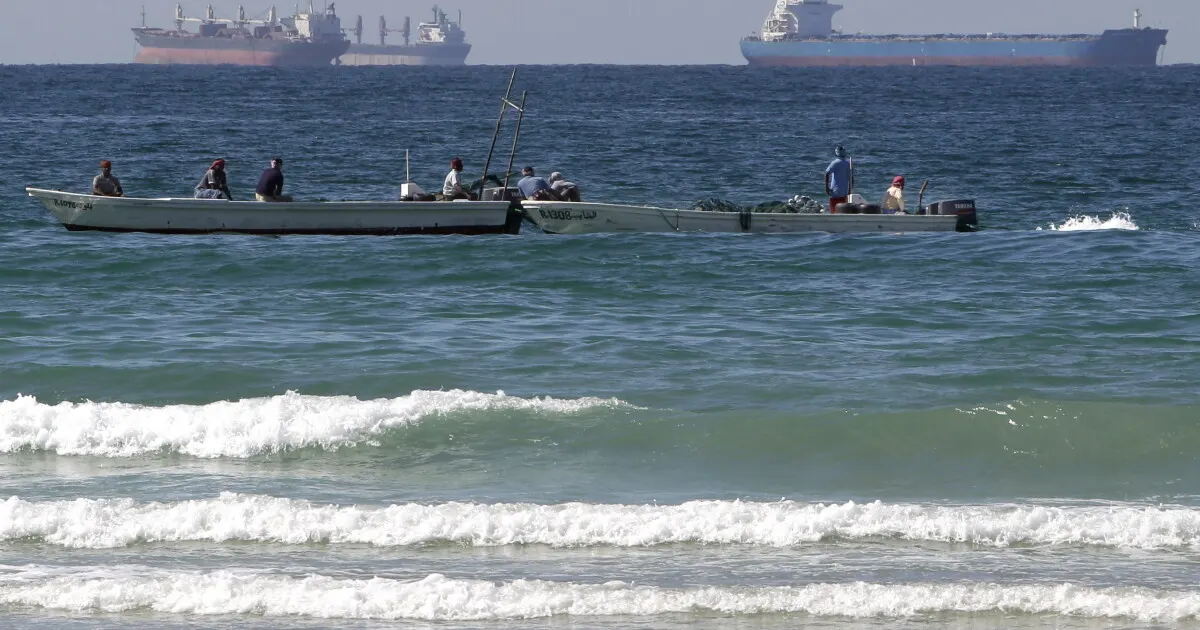
Oil prices fell after Iran signaled de-escalation following a limited missile attack. Prices had jumped about 4% earlier as traders watched the Strait of Hormuz, where Tehran's legislators had demanded closure.
A reduced threat to Gulf crude flows lowers the risk premium in energy markets, easing diesel and fertilizer cost pressure for feed producers.
 apnews.comBernard Condon23 cze 2025
Po 250 wcześniejszych Wydarzenia typu spadkowy: geopolityka Ropa naftowa (Brent) wzrósł medianowo o -3,1% w ciągu 5 sesji (36% wyżej; środkowa połowa od -7,9% do +1,6%), a o -5,5% w ciągu 20.
Po 255 wcześniejszych Wydarzenia typu spadkowy: geopolityka Ropa naftowa (WTI) wzrósł medianowo o -2,4% w ciągu 5 sesji (31% wyżej; środkowa połowa od -7,0% do +1,7%), a o -5,0% w ciągu 20.
Ruchy benchmarku każdego towaru od ostatniego zamknięcia przed wydarzeniem. Odczyty historyczne łączą przeszłe wydarzenia tego samego rodzaju; opisują, co się stało, a nie co się stanie. Nie jest to porada inwestycyjna.
Prices reversed from an earlier 4% gain as Iran signaled de-escalation with a limited missile attack, which lowered the supply-disruption premium.
Oil tumbled as Iran signaled de-escalation with a limited missile attack, reversing earlier gains.
Prices tumbled as Iran signaled de-escalation with a limited missile attack, removing the Hormuz disruption fear.
