Ładowanie…
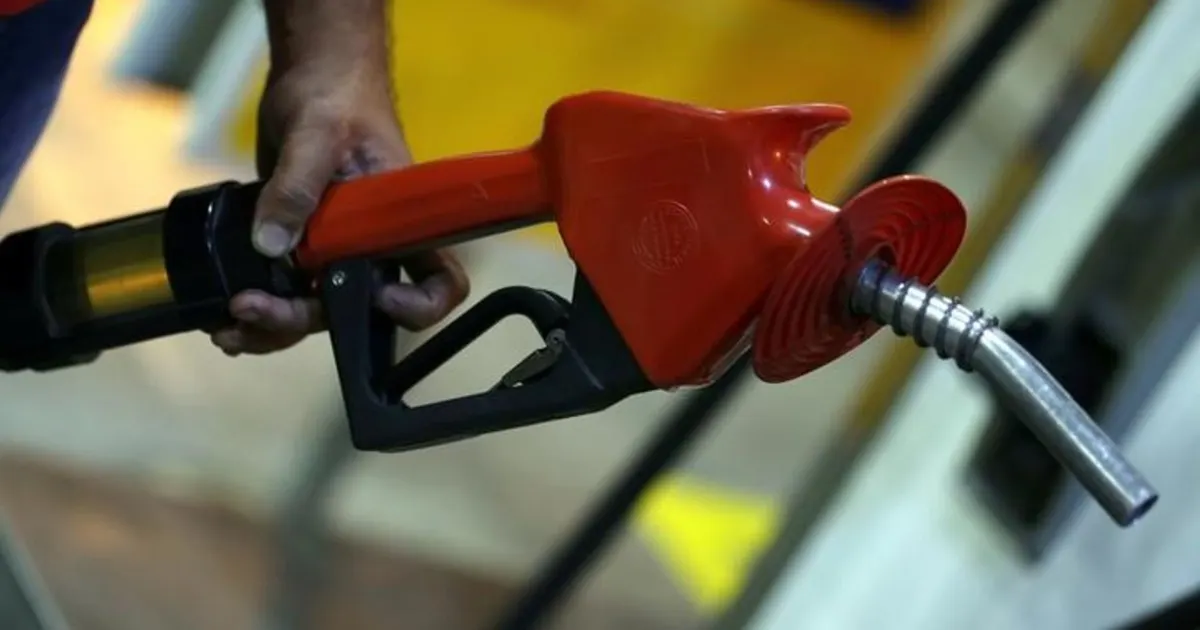
OPEC agreed to cut oil production by about 1.2 million barrels per day from January, its first output curb since 2008, lowering its ceiling to 32.5 million bpd. Saudi Arabia will take the largest share of the cut, and crude prices jumped more than 10 percent to above $50 a barrel.
A coordinated supply cut of this size tightens crude balances and lifts energy prices. Higher crude supports diesel and energy costs for feed mills and can encourage biofuel-linked demand for vegetable oils, although analysts expected the rally might not last.
 reuters.comJessica Resnick-Ault30 lis 2016
Po 438 wcześniejszych Wydarzenia typu wzrostowy: polityka Ropa naftowa (WTI) wzrósł medianowo o +0,9% w ciągu 5 sesji (61% wyżej; środkowa połowa od -2,2% do +4,6%), a o +2,0% w ciągu 20.
Po 442 wcześniejszych Wydarzenia typu wzrostowy: polityka Ropa naftowa (Brent) wzrósł medianowo o +1,4% w ciągu 5 sesji (60% wyżej; środkowa połowa od -2,0% do +4,9%), a o +2,1% w ciągu 20.
Ruchy benchmarku każdego towaru od ostatniego zamknięcia przed wydarzeniem. Odczyty historyczne łączą przeszłe wydarzenia tego samego rodzaju; opisują, co się stało, a nie co się stanie. Nie jest to porada inwestycyjna.
OPEC's finalized first output cut since 2008 (to 32.5M bpd) is a direct supply-side driver that lifted Brent by roughly the size of the observed move.
OPEC finalized a 1.2m bpd output cut from January and crude jumped more than 10%, which is the direct supply-side catalyst.
