Ładowanie…
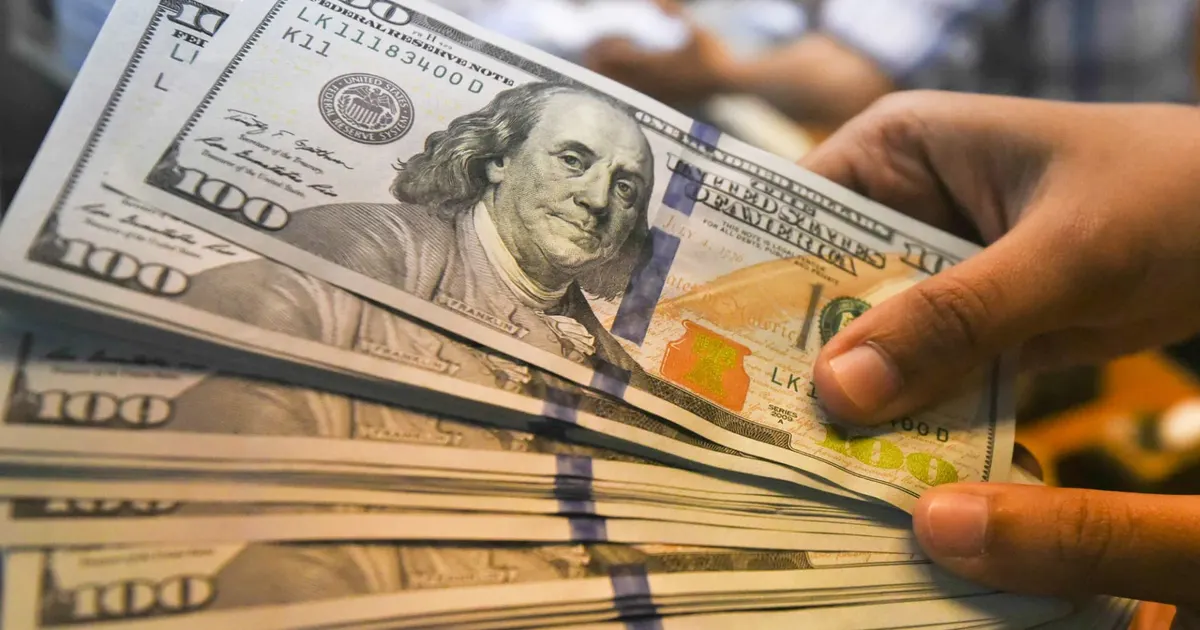
The U.S. dollar fell against its rivals on June 20, 2019, heading for its biggest two-day drop in a year after the Federal Reserve signaled it could cut rates as early as July. The ECB and RBA had also signaled more stimulus, and higher-yielding currencies such as the Australian dollar and Korean won rallied.
Some hedge funds that had built large long-dollar positions before the Fed decision were forced to sell.
A weaker dollar makes dollar-priced commodities cheaper for foreign buyers, which tends to support export demand and firm prices for feed grains and oilseeds. Expectations of lower U.S. rates also reduce the cost of carrying inventory.
 cnbc.comReuters20 cze 2019
Po 1637 wcześniejszych Wydarzenia typu spadkowy: makro Dolar USA (szeroki) wzrósł medianowo o -0,2% w ciągu 5 sesji (39% wyżej; środkowa połowa od -0,6% do +0,3%), a o -0,2% w ciągu 20.
Ruchy benchmarku każdego towaru od ostatniego zamknięcia przed wydarzeniem. Odczyty historyczne łączą przeszłe wydarzenia tego samego rodzaju; opisują, co się stało, a nie co się stanie. Nie jest to porada inwestycyjna.
Dovish Fed signal on rate cuts drove the dollar's biggest two-day drop in a year on June 20, with forced hedge fund long-dollar unwinding amplifying the move.
