Ładowanie…
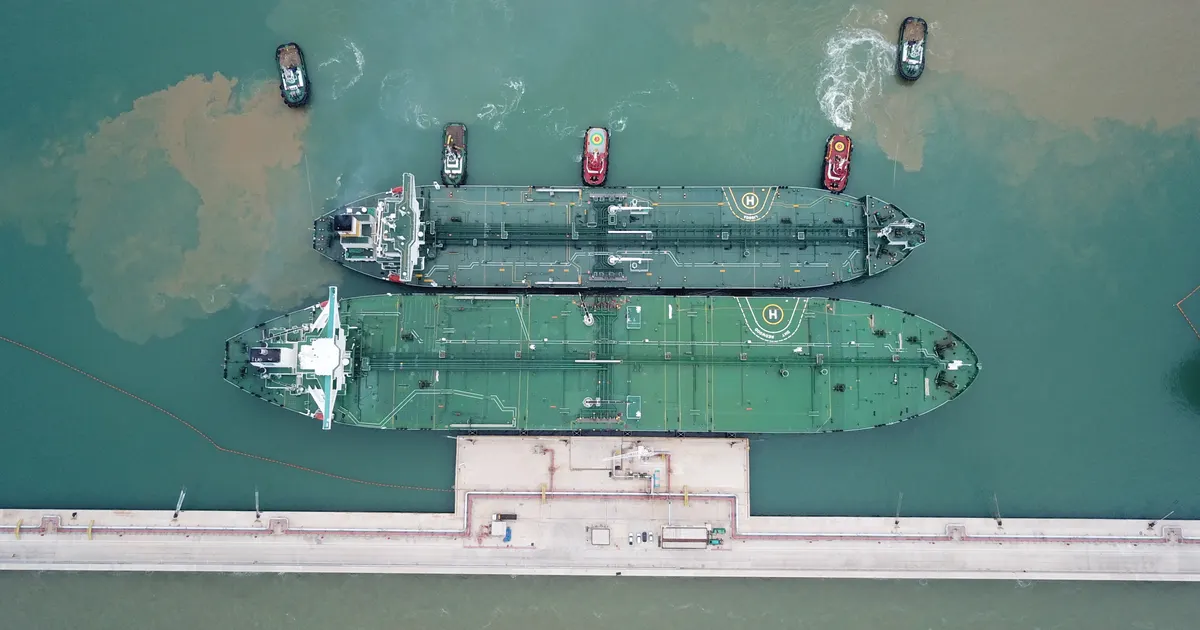
Oil prices surged more than 12% after China instructed government agencies to start buying cheap crude for its strategic reserves. The purchases came after oil had plunged 66% in the first three months of 2020 amid collapsing demand from the coronavirus.
Dated Brent was assessed at $15.135 a barrel, its lowest level since at least 1999.
Chinese state stockpiling absorbs surplus crude and supports energy prices, which feed through to diesel and freight costs for feed producers. Higher crude also tends to lift biofuel-linked demand for vegetable oils and grains.
 worldoil.comSharon Cho2 kwi 2020
Po 438 wcześniejszych Wydarzenia typu wzrostowy: polityka Ropa naftowa (WTI) wzrósł medianowo o +0,9% w ciągu 5 sesji (61% wyżej; środkowa połowa od -2,2% do +4,6%), a o +2,0% w ciągu 20.
Po 442 wcześniejszych Wydarzenia typu wzrostowy: polityka Ropa naftowa (Brent) wzrósł medianowo o +1,4% w ciągu 5 sesji (60% wyżej; środkowa połowa od -2,0% do +4,9%), a o +2,1% w ciągu 20.
Ruchy benchmarku każdego towaru od ostatniego zamknięcia przed wydarzeniem. Odczyty historyczne łączą przeszłe wydarzenia tego samego rodzaju; opisują, co się stało, a nie co się stanie. Nie jest to porada inwestycyjna.
China's instruction to buy cheap crude for strategic reserves added demand-side support and rebound momentum from very depressed levels (Dated Brent at lows).
China's strategic reserve buying added demand support and extended the rebound from extremely depressed prices.
China's strategic reserve buying added demand-side support to the rebound from record lows.
China's instruction to buy cheap crude for strategic reserves added demand-side support to the rebound from deeply oversold levels.
China's strategic reserve buying added demand support and rebound from extreme lows (Dated Brent $15), contributing to the bounce.
