Ładowanie…
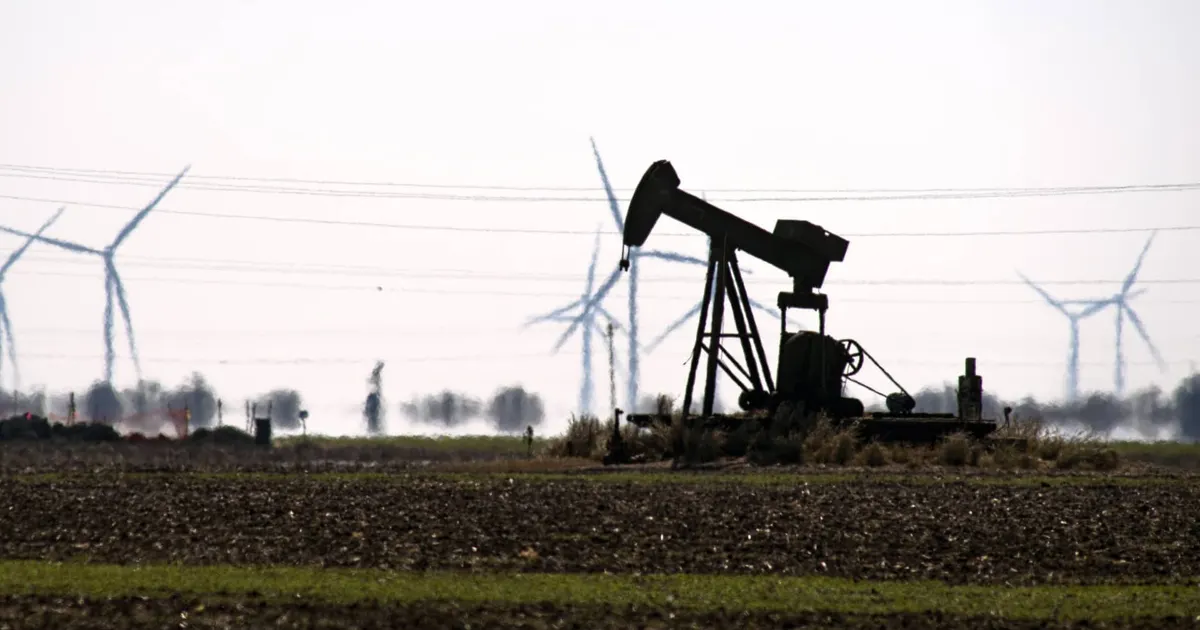
Oil jumped 7% as Russian export disruption from Western sanctions outweighed hopes of more Iranian supply. Brent settled at $118.11 and WTI at $115.68, the highest closes since 2013 and 2008.
Washington was also weighing options to cut U.S. imports of Russian oil.
Sanctions on Russian crude are tightening global supply and lifting benchmark prices, which raises energy and freight costs for feed producers. A possible U.S. import ban would add further upward pressure.
 cnbc.comReuters4 mar 2022
Po 656 wcześniejszych Wydarzenia typu wzrostowy: geopolityka Ropa naftowa (Brent) wzrósł medianowo o +1,9% w ciągu 5 sesji (63% wyżej; środkowa połowa od -2,7% do +6,6%), a o +0,7% w ciągu 20.
Po 626 wcześniejszych Wydarzenia typu wzrostowy: geopolityka Ropa naftowa (WTI) wzrósł medianowo o +2,1% w ciągu 5 sesji (62% wyżej; środkowa połowa od -2,3% do +8,5%), a o +1,6% w ciągu 20.
Ruchy benchmarku każdego towaru od ostatniego zamknięcia przed wydarzeniem. Odczyty historyczne łączą przeszłe wydarzenia tego samego rodzaju; opisują, co się stało, a nie co się stanie. Nie jest to porada inwestycyjna.
Directly describes the 7% jump on March 4 with Brent settling at $118.11, driven by Russian export disruption from Western sanctions and the US weighing import cuts (supply).
Brent jumped 7% to settle at $118.11 on March 4 as Western sanctions disrupted Russian exports, directly driving the end of the 5-day window.
Brent settled up 7% at $118.11 on March 4 as Russian export disruption from sanctions outweighed Iranian supply hopes, a major leg of the weekly gain.
