Ładowanie…
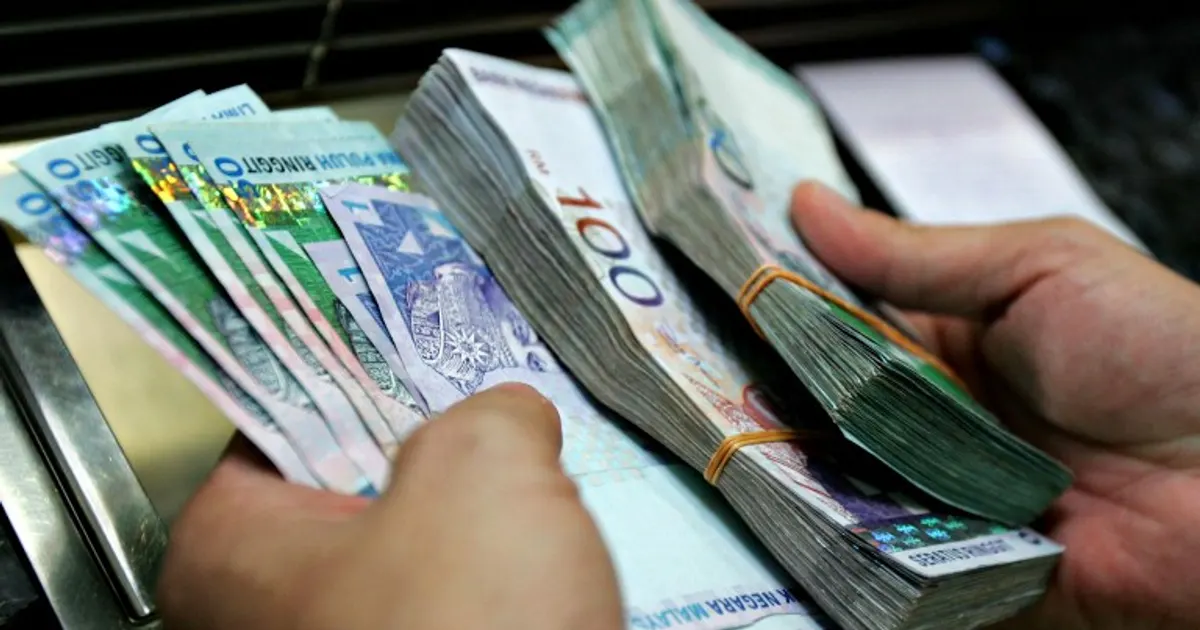
The ringgit had a mixed 2018, starting the year strong after climbing from a historic low, then weakening sharply in the second quarter. Analysts attribute the swings mainly to external drivers such as trade tensions, emerging market stress, Fed hike expectations, crude oil moves and US dollar strength.
A weaker ringgit lowers the cost of Malaysian palm oil in dollar terms for buyers, which can support palm-based feed ingredients, while currency swings feed into landed feed costs.
 malaymail.com31 gru 2018
Za mało porównywalnych wydarzeń z przeszłości, by przeprowadzić analizę historyczną.
Po 86 wcześniejszych Wydarzenia typu neutralny: makro Olej palmowy wzrósł medianowo o +0,3% w ciągu 5 sesji (56% wyżej; środkowa połowa od -1,6% do +2,0%), a o +1,0% w ciągu 20.
Ruchy benchmarku każdego towaru od ostatniego zamknięcia przed wydarzeniem. Odczyty historyczne łączą przeszłe wydarzenia tego samego rodzaju; opisują, co się stało, a nie co się stanie. Nie jest to porada inwestycyjna.
