Ładowanie…
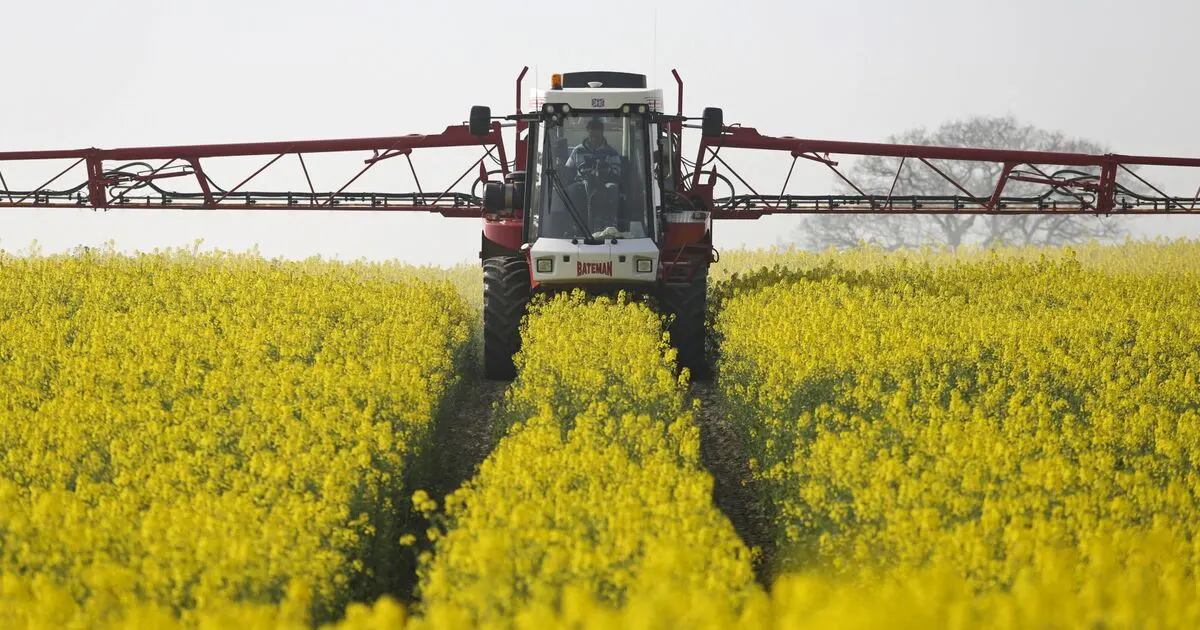
Fertilizer prices have reached a nine-year high as global inflation pushes up input costs. Higher freight rates, increased tariffs, rising energy costs and constrained supplies of nitrogen, potash and phosphate are all contributing.
Growers are applying more fertilizer as corn and wheat values have risen.
Higher fertilizer costs raise the cost of grain production, supporting crop prices and feeding through to feed input costs over time. Elevated nitrogen, potash and phosphate prices also squeeze farm margins and may reduce future planted acreage.
 bloomberg.comElizabeth Elkin27 sie 2021
Po 92 wcześniejszych Wydarzenia typu wzrostowy: makro Mocznik wzrósł medianowo o +0,0% w ciągu 5 sesji (50% wyżej; środkowa połowa od -2,0% do +3,6%), a o +4,8% w ciągu 20.
Za mało porównywalnych wydarzeń z przeszłości, by przeprowadzić analizę historyczną.
Po 28 wcześniejszych Wydarzenia typu wzrostowy: makro DAP wzrósł medianowo o -0,2% w ciągu 5 sesji (36% wyżej; środkowa połowa od -0,9% do +1,3%), a o -0,8% w ciągu 20.
Ruchy benchmarku każdego towaru od ostatniego zamknięcia przed wydarzeniem. Odczyty historyczne łączą przeszłe wydarzenia tego samego rodzaju; opisują, co się stało, a nie co się stanie. Nie jest to porada inwestycyjna.
Bloomberg reported fertilizer prices at a nine-year high on higher freight, energy costs and tight phosphate supply, which directly supports DAP price strength on the day of the move.
Bloomberg reported fertilizer prices at a nine-year high on inflation, freight, energy and tight phosphate supply, which fits the DAP price rise, though it was published a day after the move ended.
