Ładowanie…
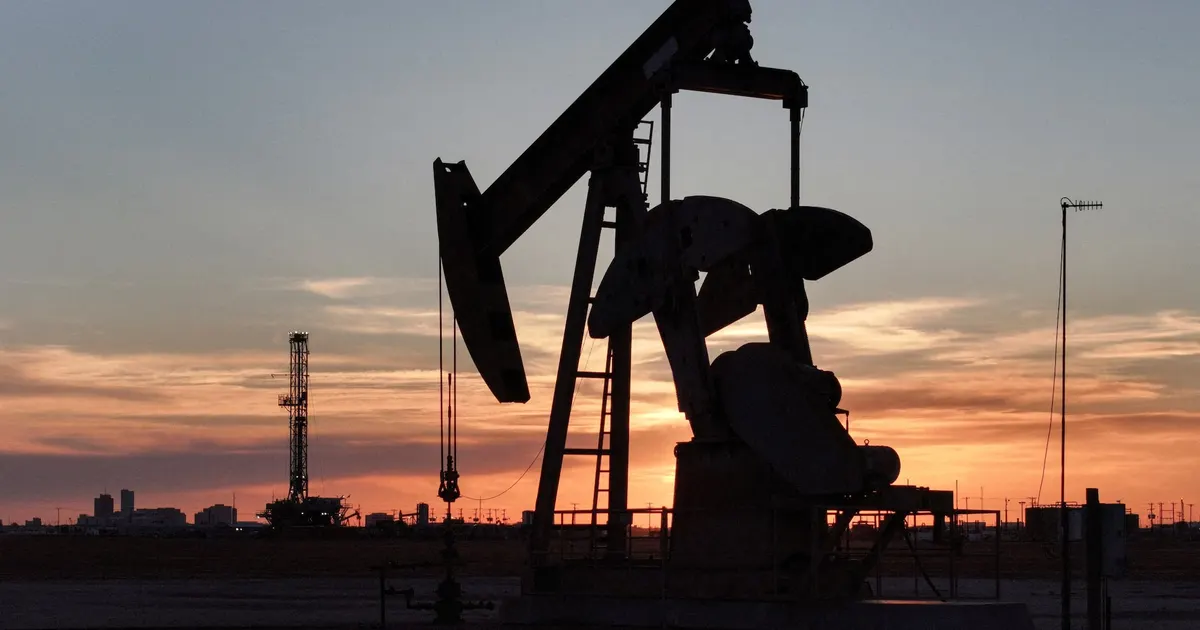
Oil settled up nearly 5% as fresh attacks on ships in the Strait of Hormuz pushed the number of vessels struck to at least 14. Shipping through the strait has nearly stopped since the US and Israel began strikes on Iran on February 28.
The IEA recommended a record 400 million barrel stock release to curb prices.
Disrupted Hormuz shipping removes about a fifth of world oil supply, keeping crude and diesel costs elevated. The record IEA stock release partly offsets supply losses, but ongoing attacks support higher energy and freight costs for feed producers.
 reuters.comShariq Khan10 mar 2026
Po 626 wcześniejszych Wydarzenia typu wzrostowy: geopolityka WTI wzrósł medianowo o +2,1% w ciągu 5 sesji (62% wyżej; środkowa połowa od -2,3% do +8,5%), a o +1,6% w ciągu 20.
Po 656 wcześniejszych Wydarzenia typu wzrostowy: geopolityka BRENT wzrósł medianowo o +1,9% w ciągu 5 sesji (63% wyżej; środkowa połowa od -2,7% do +6,6%), a o +0,7% w ciągu 20.
Po 250 wcześniejszych Wydarzenia typu wzrostowy: geopolityka DIESEL wzrósł medianowo o +1,7% w ciągu 5 sesji (58% wyżej; środkowa połowa od -3,6% do +8,7%), a o +0,9% w ciągu 20.
Za mało porównywalnych wydarzeń z przeszłości, by przeprowadzić analizę historyczną.
Ruchy benchmarku każdego towaru od ostatniego zamknięcia przed wydarzeniem. Odczyty historyczne łączą przeszłe wydarzenia tego samego rodzaju; opisują, co się stało, a nie co się stanie. Nie jest to porada inwestycyjna.
Oil settled up ~5% as attacks on ships in Hormuz mounted, adding supply-risk premium despite the record IEA stock release plan.
Oil rose nearly 5% on Mar 10 as attacks on ships in Hormuz mounted (at least 14 vessels struck), adding risk premium that carried into diesel despite the IEA stock release plan.
Oil settled up nearly 5% as ships were attacked in Hormuz, adding to crude and diesel gains during the window.
Attacks on ships in Hormuz (14+ vessels struck) on Mar 10 show the escalating supply risk that carried into Mar 12, partly offset by the stock release plan.
Obejrzyj 29-sekundową wersję · Oil settles up nearly 5% as Hormuz attacks hit 14 ships: what it means for feed costs
