Ładowanie…
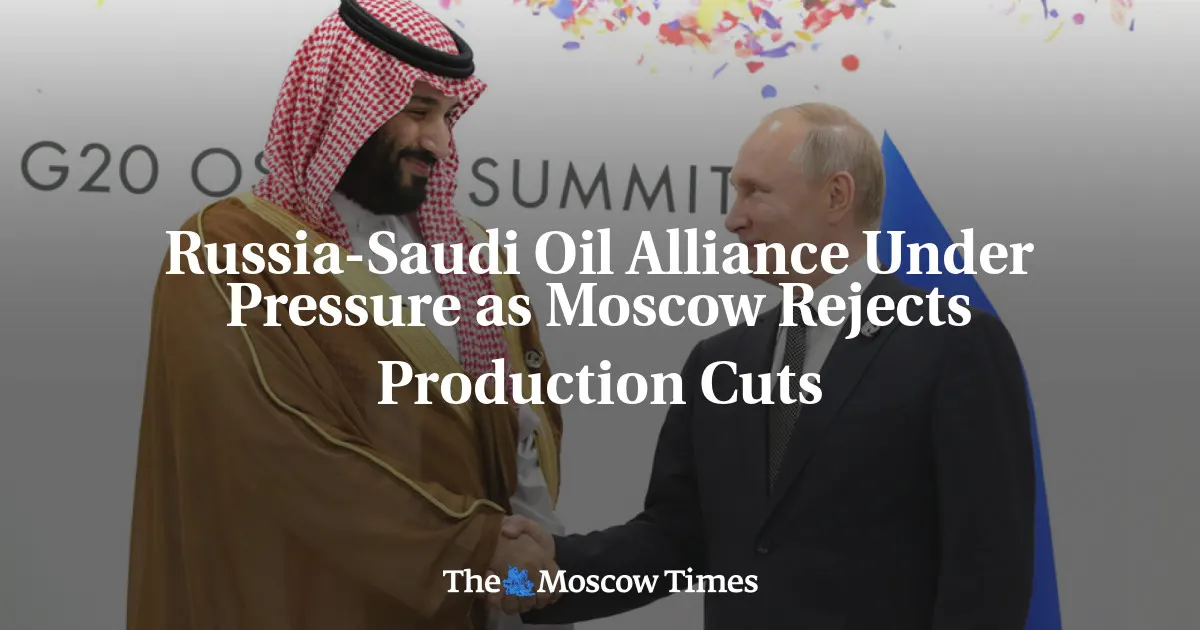
Russia rejected a new round of oil production cuts proposed in response to coronavirus, and OPEC+ talks failed on Friday. Novak said no member was now obliged to lower output from April 1, and the meeting was adjourned.
Removing the obligation to cut output from April raises the risk of a supply glut as demand contracts, which pressures crude prices. The breakdown also threatens the Russia-Saudi alliance that has steadied the market.
 themoscowtimes.comAFP6 mar 2020
Po 250 wcześniejszych Wydarzenia typu spadkowy: geopolityka Ropa naftowa (Brent) wzrósł medianowo o -3,1% w ciągu 5 sesji (36% wyżej; środkowa połowa od -7,9% do +1,6%), a o -5,5% w ciągu 20.
Po 255 wcześniejszych Wydarzenia typu spadkowy: geopolityka Ropa naftowa (WTI) wzrósł medianowo o -2,4% w ciągu 5 sesji (31% wyżej; środkowa połowa od -7,0% do +1,7%), a o -5,0% w ciągu 20.
Ruchy benchmarku każdego towaru od ostatniego zamknięcia przed wydarzeniem. Odczyty historyczne łączą przeszłe wydarzenia tego samego rodzaju; opisują, co się stało, a nie co się stanie. Nie jest to porada inwestycyjna.
Russia rejected deeper OPEC+ cuts on March 6 and the talks failed, removing the supply-restraint framework and triggering the WTI selloff that day.
Russia rejected the cuts and Novak said no member was obliged to lower output from April 1, a direct supply shock that fed the crude selloff.
Russia rejected new production cuts and said no member was obliged to cut from April 1, removing supply discipline and weighing on crude.
