Ładowanie…
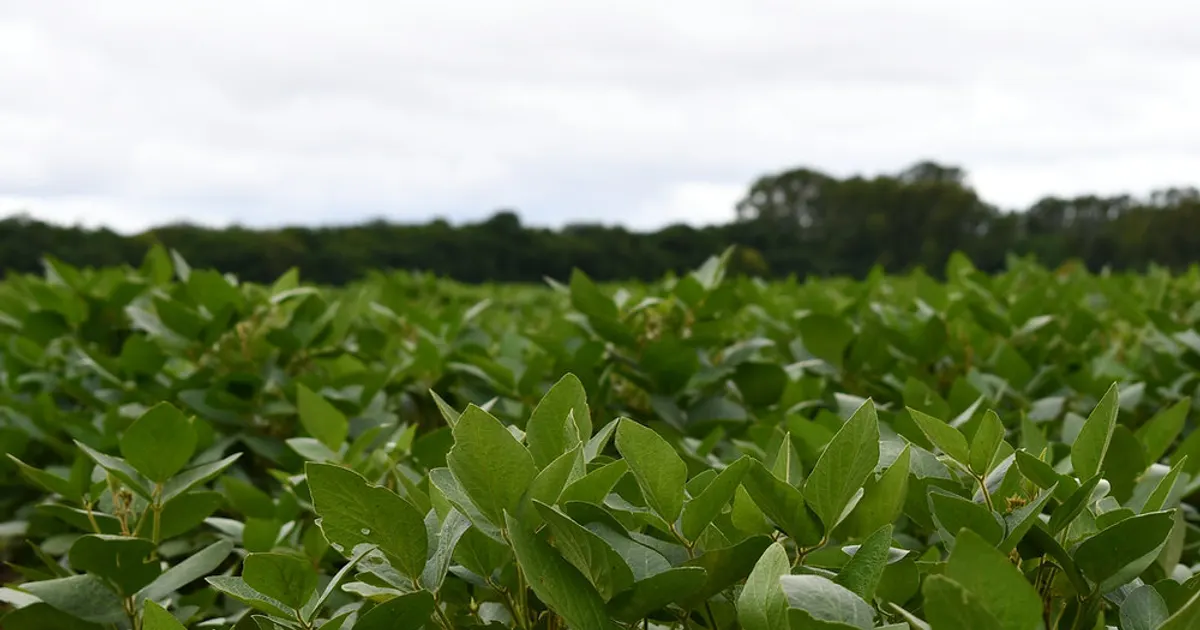
A North Dakota State University analysis finds that Chinese purchases of U.S. soybeans historically track the Brazil-U.S. landed price spread rather than political signals. The authors note that during the 2025 tariff period, U.S. exports to China fell when tariffs widened the U.S. price premium.
Chinese demand for U.S. beans depends on price competitiveness against Brazil, so purchases may stay tied to relative landed prices rather than the trade pledge. Traders should watch the Brazil-U.S. spread as a guide to future demand.
 capts-ndsu.comCAPTS NDSU5 gru 2025
Po 250 wcześniejszych Wydarzenia typu neutralny: handel Soja wzrósł medianowo o +0,0% w ciągu 5 sesji (50% wyżej; środkowa połowa od -1,4% do +1,6%), a o -0,2% w ciągu 20.
Ruchy benchmarku każdego towaru od ostatniego zamknięcia przed wydarzeniem. Odczyty historyczne łączą przeszłe wydarzenia tego samego rodzaju; opisują, co się stało, a nie co się stanie. Nie jest to porada inwestycyjna.
