Ładowanie…
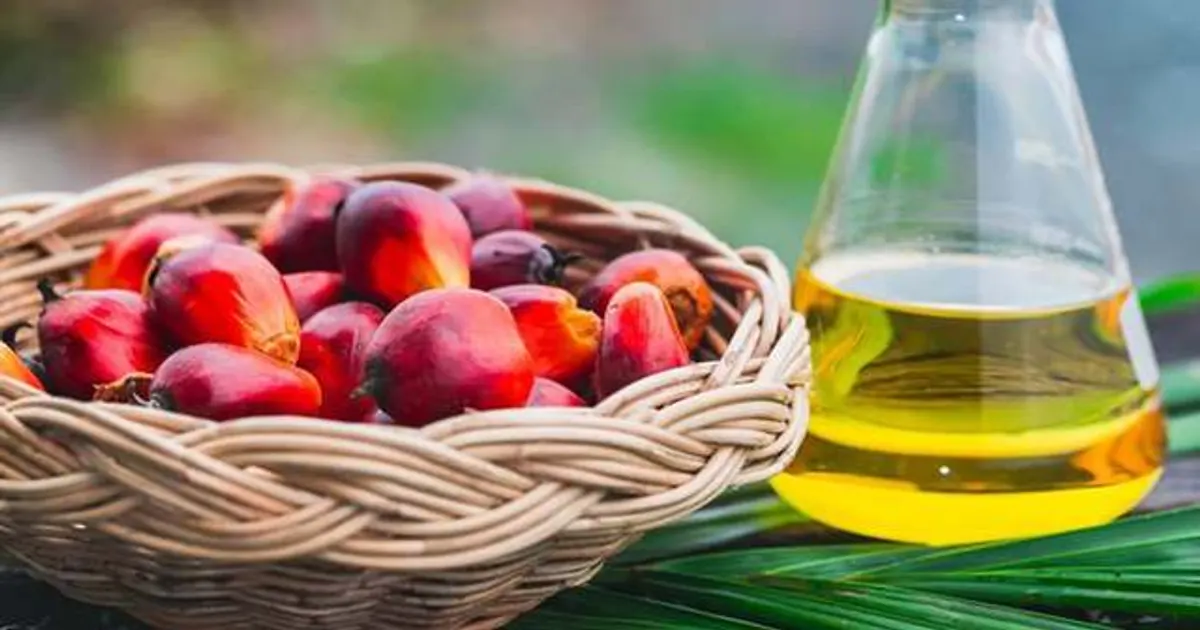
Malaysian palm oil futures for August delivery fell 5.7% to 3,454 ringgit a tonne in early trade, hitting their lowest in more than four months. CBOT soybean and soyoil prices each fell more than 2% on reports that the US may reduce biodiesel production.
Palm has now declined for six straight sessions.
A possible cut in US biodiesel production would reduce demand for soyoil, a major competitor to palm in biofuel use. This weakens the price outlook for palm and soyoil.
 brecorder.comReuters14 cze 2021
Po 400 wcześniejszych Wydarzenia typu spadkowy: polityka Olej palmowy wzrósł medianowo o -0,0% w ciągu 5 sesji (49% wyżej; środkowa połowa od -1,3% do +1,1%), a o +0,2% w ciągu 20.
Po 351 wcześniejszych Wydarzenia typu spadkowy: polityka Olej sojowy wzrósł medianowo o -0,0% w ciągu 5 sesji (49% wyżej; środkowa połowa od -1,7% do +1,8%), a o -0,2% w ciągu 20.
Po 369 wcześniejszych Wydarzenia typu spadkowy: polityka Soja wzrósł medianowo o -0,2% w ciągu 5 sesji (46% wyżej; środkowa połowa od -1,7% do +1,8%), a o +0,8% w ciągu 20.
Ruchy benchmarku każdego towaru od ostatniego zamknięcia przed wydarzeniem. Odczyty historyczne łączą przeszłe wydarzenia tego samego rodzaju; opisują, co się stało, a nie co się stanie. Nie jest to porada inwestycyjna.
Early June 14 trade saw palm down 5.7% as CBOT soyoil fell on reports the US may cut biodiesel production, reducing vegetable oil demand and feeding sentiment.
Soyoil fell over 2% on reports the US may reduce biodiesel production, with palm falling in sympathy and reinforcing the downward pressure.
On June 14 palm extended a six-session losing streak on cheaper US soyoil and reports the US may cut biodiesel, confirming the biofuel-policy-driven selloff (just after the window).
