Laden…
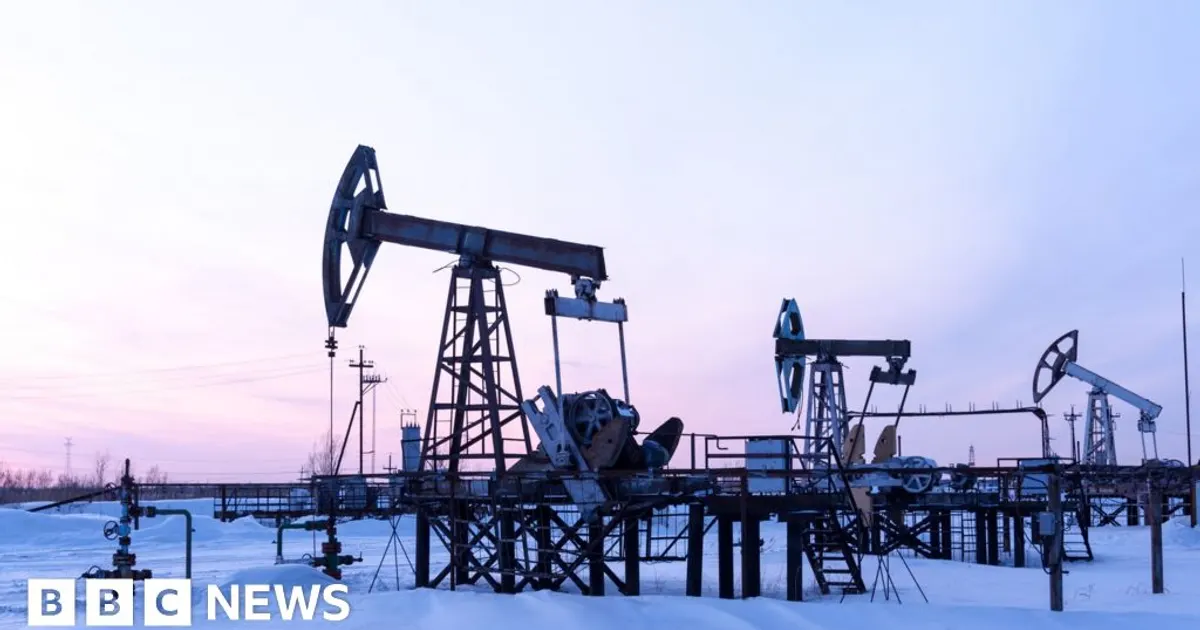
Brent crude passed $113 a barrel on March 2, 2022, its highest level since June 2014, as traders bought non-Russian crude. Buyers avoided Russian oil over sanctions and payment and shipping difficulties, and Trafigura could not sell a Russian cargo even at a record $18.60 discount to Brent.
Gas prices in the UK also roughly doubled.
Loss of Russian barrels from the market, roughly 8% of global supply, tightens crude and diesel availability and raises transport and feed production costs. The sanctions-driven discount on Russian crude shows the disruption is in trade flows, not just volumes.
 bbc.comJosh Martin2 mrt 2022
Na 656 eerdere opwaarts geopolitiek-gebeurtenissen bewoog Ruwe olie (Brent) zich mediaan +1,9% over 5 sessies (63% hoger; middelste helft -2,7% tot +6,6%), en +0,7% over 20.
Na 250 eerdere opwaarts geopolitiek-gebeurtenissen bewoog ULSD / Diesel zich mediaan +1,7% over 5 sessies (58% hoger; middelste helft -3,6% tot +8,7%), en +0,9% over 20.
Bewegingen van de benchmark van elke grondstof sinds de laatste slotkoers vóór de gebeurtenis. Historische waarden bundelen eerdere gebeurtenissen van hetzelfde soort; ze beschrijven wat er gebeurde, niet wat zal gebeuren. Geen beleggingsadvies.
Brent passed $113 on March 2 as buyers shunned Russian crude and shifted to non-Russian barrels, a trade-flow and supply shock.
Buyers shunned Russian crude and shifted to non-Russian barrels, lifting Brent above $113 on March 2.
