Laden…
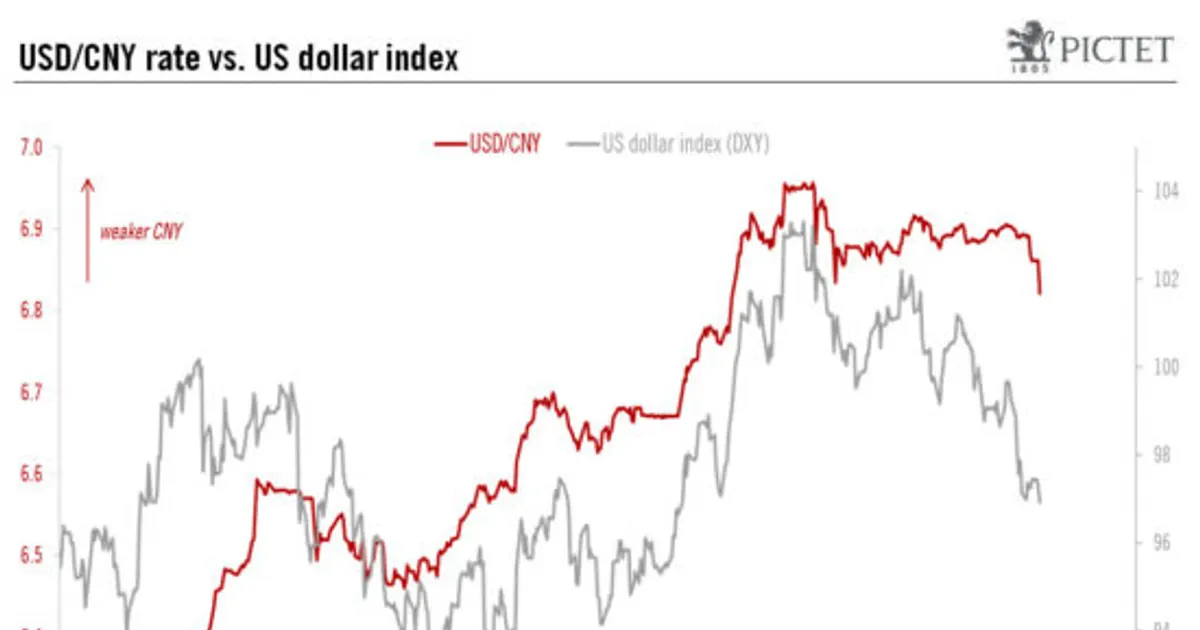
The People's Bank of China introduced a counter-cyclical adjustment factor into its daily USD/CNY reference rate calculation. The change adds a macroeconomic weighting to the fixing, giving the central bank more control over the exchange rate.
The move is designed to reduce pressure on the renminbi if the dollar strengthens again.
By limiting renminbi depreciation, the new fixing lowers the risk of a sudden cheapening of dollar-priced imports from China's perspective, which can otherwise slow Chinese purchases of US and Brazilian grains and meal. The policy shift reduces currency-driven volatility for feed importers.
 swiss.economicblogs.orgLuc Luyet &, Dong Chen1 jun 2017
 farmprogress.comBob Burgdorfer Senior Editor, Farm Futures5 jun 2017
Na 439 eerdere neutraal beleid-gebeurtenissen bewoog Maïs zich mediaan +0,1% over 5 sessies (51% hoger; middelste helft -1,3% tot +1,2%), en +1,1% over 20.
Na 554 eerdere neutraal beleid-gebeurtenissen bewoog Sojabonen zich mediaan +0,0% over 5 sessies (51% hoger; middelste helft -1,4% tot +1,6%), en +0,6% over 20.
Nog niet genoeg vergelijkbare eerdere gebeurtenissen voor een historische analyse.
Na 50 eerdere neerwaarts beleid-gebeurtenissen bewoog Chinese yuan (CNY per USD) zich mediaan -0,1% over 5 sessies (46% hoger; middelste helft -0,4% tot +0,4%), en -0,0% over 20.
Bewegingen van de benchmark van elke grondstof sinds de laatste slotkoers vóór de gebeurtenis. Historische waarden bundelen eerdere gebeurtenissen van hetzelfde soort; ze beschrijven wat er gebeurde, niet wat zal gebeuren. Geen beleggingsadvies.
The new fixing mechanism limits depreciation pressure and gives the central bank more control, supporting the yuan.
