Laden…
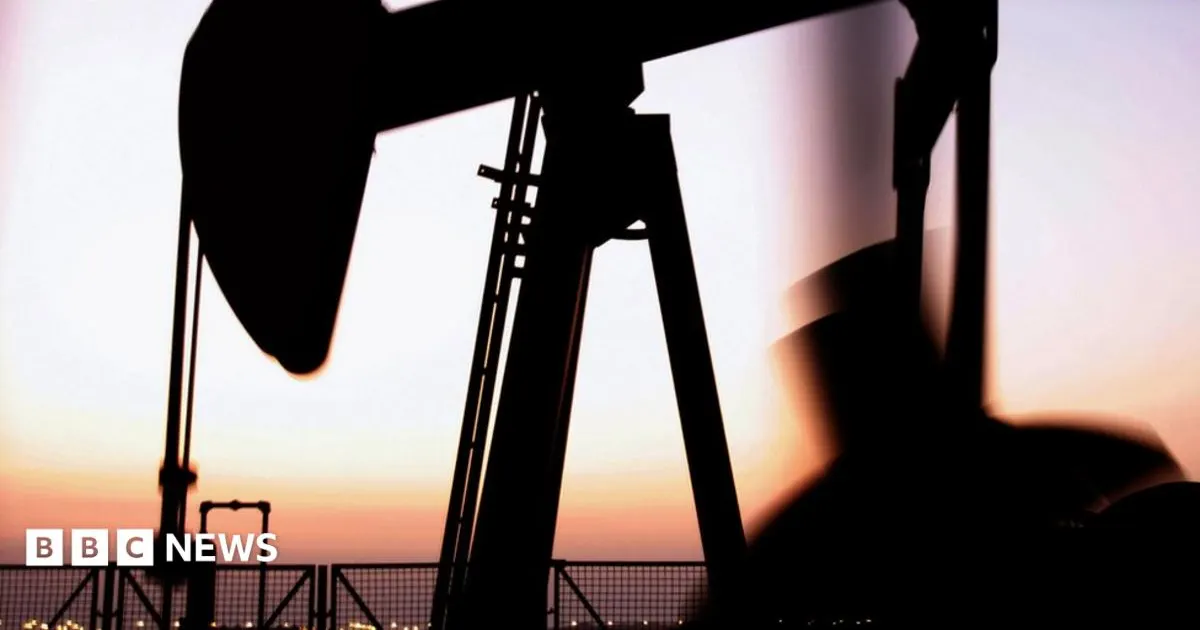
OPEC countries agreed their first supply cut in eight years, reducing output by 1.2 million barrels per day from January. Non-OPEC producers, including Russia, are expected to cut a further 600,000 barrels per day.
Brent rose 10 percent to $51.94 a barrel.
The cut targets the oversupply that had halved oil prices since 2014, so it lifts energy costs for feed producers and transport. It also signals that producer coordination can support prices, which tends to raise the cost of energy-linked inputs.
 bbc.com30 nov 2016
Na 442 eerdere opwaarts beleid-gebeurtenissen bewoog Ruwe olie (Brent) zich mediaan +1,4% over 5 sessies (60% hoger; middelste helft -2,0% tot +4,9%), en +2,1% over 20.
Na 438 eerdere opwaarts beleid-gebeurtenissen bewoog Ruwe olie (WTI) zich mediaan +0,9% over 5 sessies (61% hoger; middelste helft -2,2% tot +4,6%), en +2,0% over 20.
Bewegingen van de benchmark van elke grondstof sinds de laatste slotkoers vóór de gebeurtenis. Historische waarden bundelen eerdere gebeurtenissen van hetzelfde soort; ze beschrijven wat er gebeurde, niet wat zal gebeuren. Geen beleggingsadvies.
OPEC cut plus expected non-OPEC cuts of 600k bpd tighten supply; Brent rose about 10% intraday.
BBC reported the first OPEC supply cut in eight years plus expected non-OPEC cuts, with Brent up about 10%, which tightens expected supply.
