Laden…
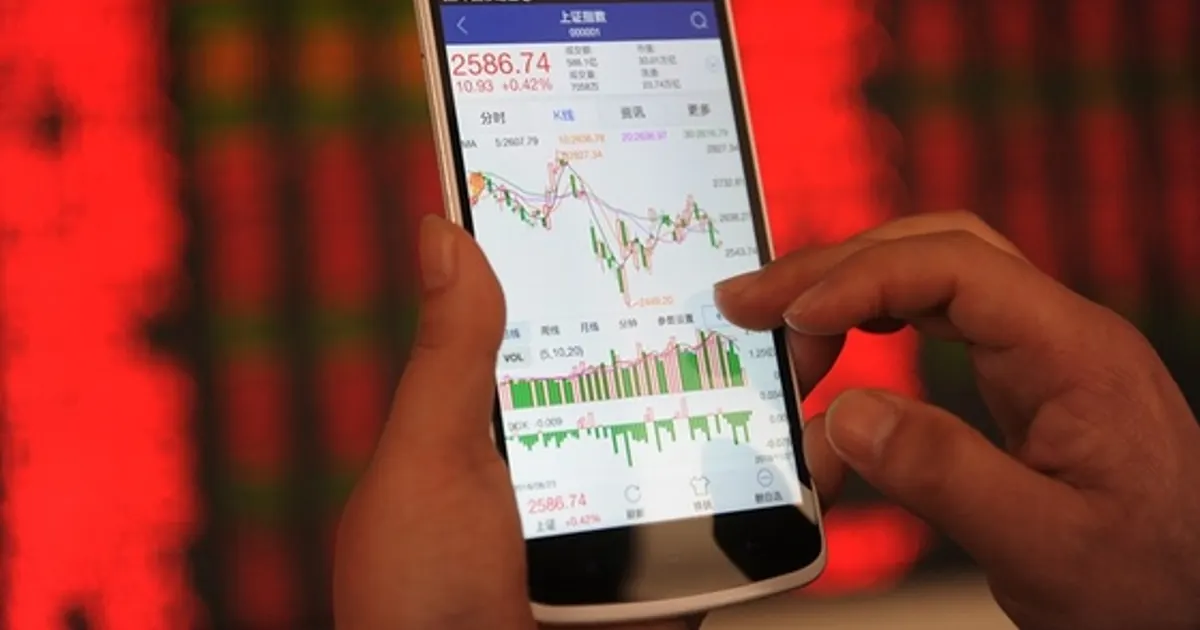
Chinese stocks rallied and the yuan strengthened on December 3, 2018, after Xi and Trump agreed to hold off new tariffs at the G20. The White House said both sides would negotiate for 90 days, with tariffs rising from 10% to 25% if no deal is reached, and that China would buy substantial US goods.
The deferred tariff increase on $200 billion of Chinese imports and the pledged Chinese purchases support US soybean and grain export demand.
 caixinglobal.comLiu Jiefei3 dec 2018
Na 696 eerdere opwaarts handel-gebeurtenissen bewoog Sojabonen zich mediaan +0,3% over 5 sessies (54% hoger; middelste helft -1,3% tot +1,9%), en +0,7% over 20.
Na 729 eerdere opwaarts handel-gebeurtenissen bewoog Maïs zich mediaan +0,4% over 5 sessies (56% hoger; middelste helft -1,1% tot +1,8%), en +0,5% over 20.
Bewegingen van de benchmark van elke grondstof sinds de laatste slotkoers vóór de gebeurtenis. Historische waarden bundelen eerdere gebeurtenissen van hetzelfde soort; ze beschrijven wat er gebeurde, niet wat zal gebeuren. Geen beleggingsadvies.
The tariff delay and China's pledge to buy US goods reinforced the risk-on trade sentiment that supported grain futures.
It confirms the Xi-Trump tariff delay and Chinese pledges to buy US goods on Dec 3, the catalyst behind the risk-on move, but it covers Chinese equities and the yuan rather than corn.
