Laden…
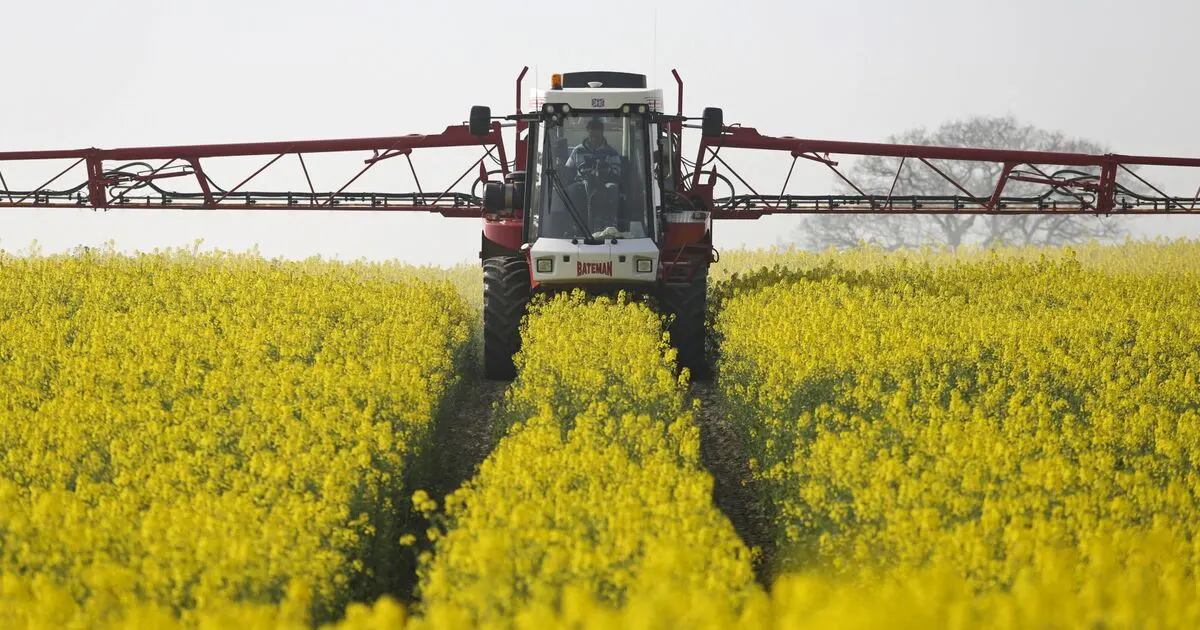
Fertilizer prices have reached a nine-year high as global inflation pushes up input costs. Higher freight rates, increased tariffs, rising energy costs and constrained supplies of nitrogen, potash and phosphate are all contributing.
Growers are applying more fertilizer as corn and wheat values have risen.
Higher fertilizer costs raise the cost of grain production, supporting crop prices and feeding through to feed input costs over time. Elevated nitrogen, potash and phosphate prices also squeeze farm margins and may reduce future planted acreage.
 bloomberg.comElizabeth Elkin27 aug 2021
Na 92 eerdere opwaarts macro-gebeurtenissen bewoog Ureum zich mediaan +0,0% over 5 sessies (50% hoger; middelste helft -2,0% tot +3,6%), en +4,8% over 20.
Nog niet genoeg vergelijkbare eerdere gebeurtenissen voor een historische analyse.
Na 28 eerdere opwaarts macro-gebeurtenissen bewoog DAP zich mediaan -0,2% over 5 sessies (36% hoger; middelste helft -0,9% tot +1,3%), en -0,8% over 20.
Bewegingen van de benchmark van elke grondstof sinds de laatste slotkoers vóór de gebeurtenis. Historische waarden bundelen eerdere gebeurtenissen van hetzelfde soort; ze beschrijven wat er gebeurde, niet wat zal gebeuren. Geen beleggingsadvies.
Bloomberg reported fertilizer prices at a nine-year high on higher freight, energy costs and tight phosphate supply, which directly supports DAP price strength on the day of the move.
Bloomberg reported fertilizer prices at a nine-year high on inflation, freight, energy and tight phosphate supply, which fits the DAP price rise, though it was published a day after the move ended.
