Laden…
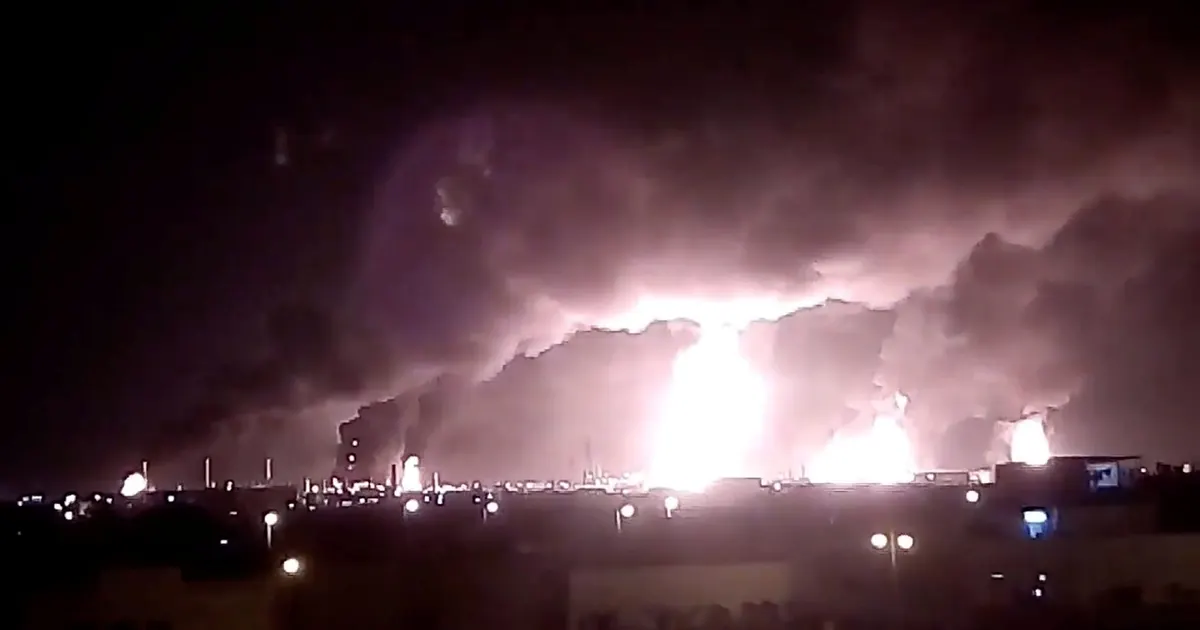
Following the attack on Saudi facilities, OPEC's global spare capacity cushion of about 3.21 million bpd was largely cut, with Saudi Arabia holding 2.27 million bpd of that. The remaining roughly 940,000 bpd is mostly held by Kuwait and the UAE, along with some in Iraq and Angola.
Analysts said those barrels would not be enough to fill the gap.
With little spare capacity left, any further supply disruption could send crude sharply higher, raising diesel, freight and fertilizer input costs. This raises the risk premium across energy-linked feed inputs.
 reuters.com16 sep 2019
Na 626 eerdere opwaarts geopolitiek-gebeurtenissen bewoog Ruwe olie (WTI) zich mediaan +2,1% over 5 sessies (62% hoger; middelste helft -2,3% tot +8,5%), en +1,6% over 20.
Na 656 eerdere opwaarts geopolitiek-gebeurtenissen bewoog Ruwe olie (Brent) zich mediaan +1,9% over 5 sessies (63% hoger; middelste helft -2,7% tot +6,6%), en +0,7% over 20.
Na 250 eerdere opwaarts geopolitiek-gebeurtenissen bewoog ULSD / Diesel zich mediaan +1,7% over 5 sessies (58% hoger; middelste helft -3,6% tot +8,7%), en +0,9% over 20.
Bewegingen van de benchmark van elke grondstof sinds de laatste slotkoers vóór de gebeurtenis. Historische waarden bundelen eerdere gebeurtenissen van hetzelfde soort; ze beschrijven wat er gebeurde, niet wat zal gebeuren. Geen beleggingsadvies.
The loss of OPEC spare capacity left little buffer against the outage, supporting higher prices.
