Laden…
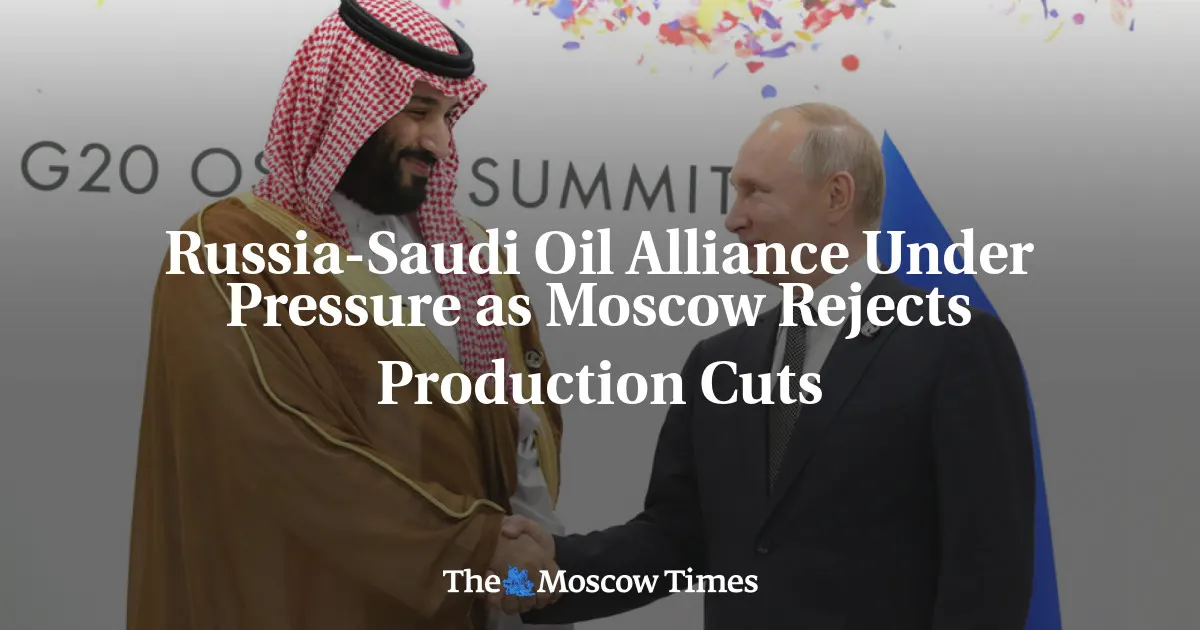
Russia rejected a new round of oil production cuts proposed in response to coronavirus, and OPEC+ talks failed on Friday. Novak said no member was now obliged to lower output from April 1, and the meeting was adjourned.
Removing the obligation to cut output from April raises the risk of a supply glut as demand contracts, which pressures crude prices. The breakdown also threatens the Russia-Saudi alliance that has steadied the market.
 themoscowtimes.comAFP6 mrt 2020
Na 250 eerdere neerwaarts geopolitiek-gebeurtenissen bewoog Ruwe olie (Brent) zich mediaan -3,1% over 5 sessies (36% hoger; middelste helft -7,9% tot +1,6%), en -5,5% over 20.
Na 255 eerdere neerwaarts geopolitiek-gebeurtenissen bewoog Ruwe olie (WTI) zich mediaan -2,4% over 5 sessies (31% hoger; middelste helft -7,0% tot +1,7%), en -5,0% over 20.
Bewegingen van de benchmark van elke grondstof sinds de laatste slotkoers vóór de gebeurtenis. Historische waarden bundelen eerdere gebeurtenissen van hetzelfde soort; ze beschrijven wat er gebeurde, niet wat zal gebeuren. Geen beleggingsadvies.
Russia rejected deeper OPEC+ cuts on March 6 and the talks failed, removing the supply-restraint framework and triggering the WTI selloff that day.
Russia rejected the cuts and Novak said no member was obliged to lower output from April 1, a direct supply shock that fed the crude selloff.
Russia rejected new production cuts and said no member was obliged to cut from April 1, removing supply discipline and weighing on crude.
