Laden…
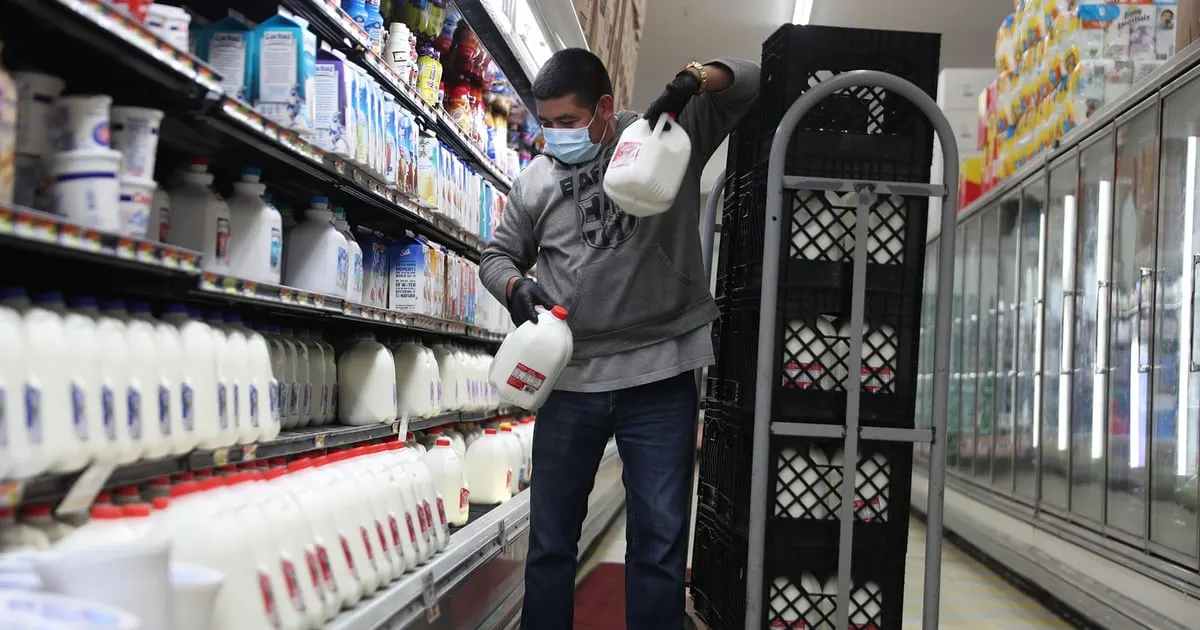
U.S. dairy prices have fallen since the COVID-19 outbreak, with Class III down 26% and Class IV down 36%. School and foodservice closures cut demand, and exports slowed after March.
The April WASDE lowered annual forecasts for cheese, butter, nonfat dry milk and whey.
Lost foodservice and export demand left surplus milk with no outlet, pushing down milk class prices and the cost of dairy-based feed ingredients. Lower milk prices also weigh on dairy producers' feed purchasing.
 farmprogress.comGary Latta28 apr 2020
Na 49 eerdere neerwaarts macro-gebeurtenissen bewoog Melk (Class III) zich mediaan -0,6% over 5 sessies (33% hoger; middelste helft -8,5% tot +0,6%), en -7,5% over 20.
Bewegingen van de benchmark van elke grondstof sinds de laatste slotkoers vóór de gebeurtenis. Historische waarden bundelen eerdere gebeurtenissen van hetzelfde soort; ze beschrijven wat er gebeurde, niet wat zal gebeuren. Geen beleggingsadvies.
School and foodservice closures cut demand and slowed exports, and the WASDE lowered cheese, butter, NFDM and whey forecasts, which is a bearish demand and price outlook for Class III.
Dated the same day as the drop, it describes COVID-19 foodservice and school closures cutting demand and the April WASDE lowering cheese, butter, NFDM and whey forecasts, which is bearish for Class III.
