Laden…
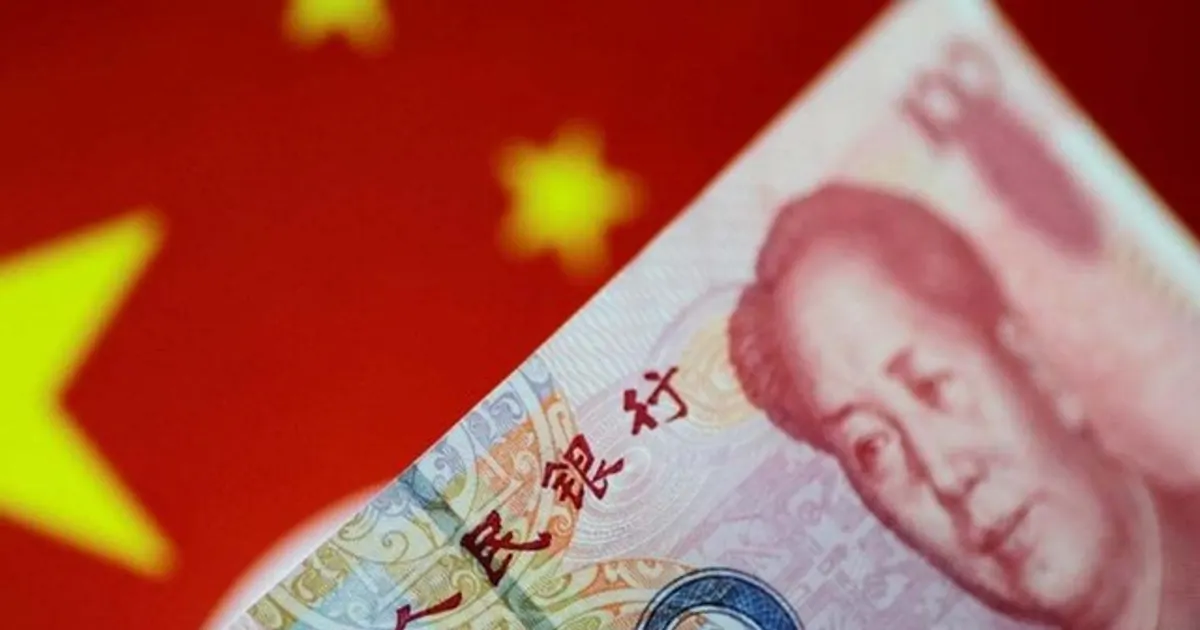
China's yuan slipped against the dollar on August 31 and was set for a third straight monthly decline. August official PMI data showed factory activity expanding more slowly, while the services sector contracted.
Traders are watching the pace of Federal Reserve tapering and upcoming US jobs data.
Weaker Chinese growth signals softer import demand, and a weaker yuan raises the cost of dollar-priced imports for China. Expected policy easing could support Chinese domestic feed demand, but the currency move adds uncertainty to feed import costs.
 brecorder.comReuters31 aug 2021
Na 398 eerdere opwaarts macro-gebeurtenissen bewoog Chinese yuan (CNY per USD) zich mediaan +0,0% over 5 sessies (56% hoger; middelste helft -0,3% tot +0,5%), en +0,0% over 20.
Bewegingen van de benchmark van elke grondstof sinds de laatste slotkoers vóór de gebeurtenis. Historische waarden bundelen eerdere gebeurtenissen van hetzelfde soort; ze beschrijven wat er gebeurde, niet wat zal gebeuren. Geen beleggingsadvies.
