Laden…
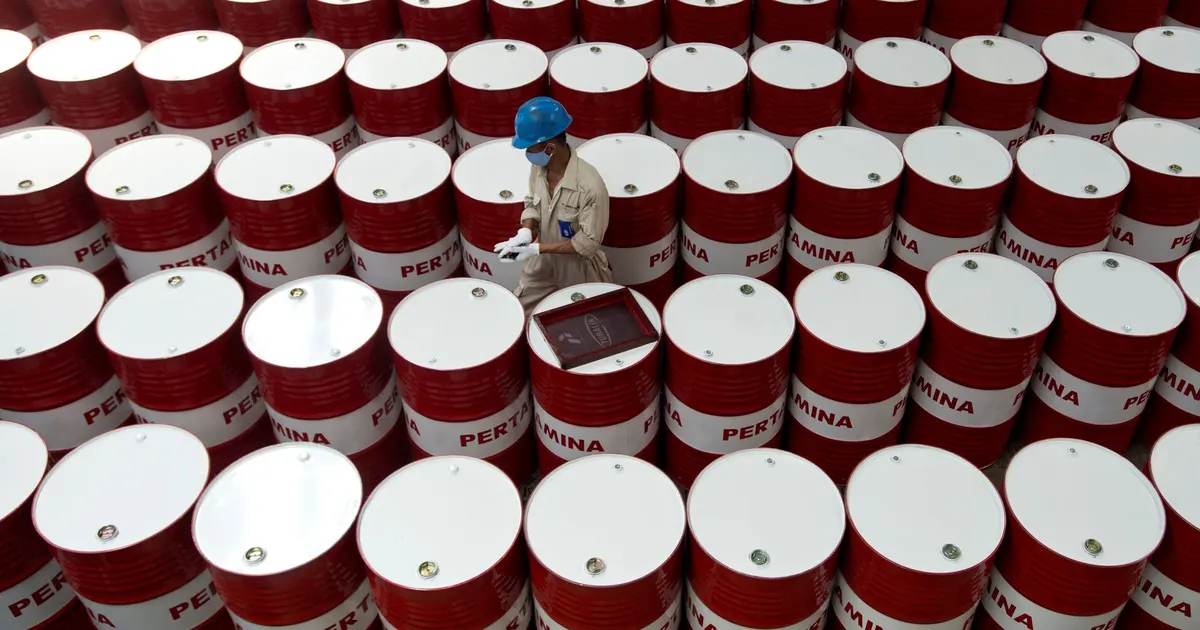
Oil prices rose above $110 a barrel in the week, reaching their highest since 2014, as Western sanctions tightened on Moscow over its invasion of Ukraine. The sanctions disrupted oil sales from Russia, the world's second-largest oil exporter.
OPEC+ decided to stick to its planned output increases.
Lost Russian barrels tighten global crude supply, pushing energy costs higher and raising grain and feed production costs through fuel, fertilizer and freight channels.
 reuters.comMaha El Dahan2 mrt 2022
Na 656 eerdere opwaarts geopolitiek-gebeurtenissen bewoog Ruwe olie (Brent) zich mediaan +1,9% over 5 sessies (63% hoger; middelste helft -2,7% tot +6,6%), en +0,7% over 20.
Na 626 eerdere opwaarts geopolitiek-gebeurtenissen bewoog Ruwe olie (WTI) zich mediaan +2,1% over 5 sessies (62% hoger; middelste helft -2,3% tot +8,5%), en +1,6% over 20.
Bewegingen van de benchmark van elke grondstof sinds de laatste slotkoers vóór de gebeurtenis. Historische waarden bundelen eerdere gebeurtenissen van hetzelfde soort; ze beschrijven wat er gebeurde, niet wat zal gebeuren. Geen beleggingsadvies.
OPEC+ stuck to planned output increases despite the sanctions, so no extra supply offset Russian disruption.
