Laden…
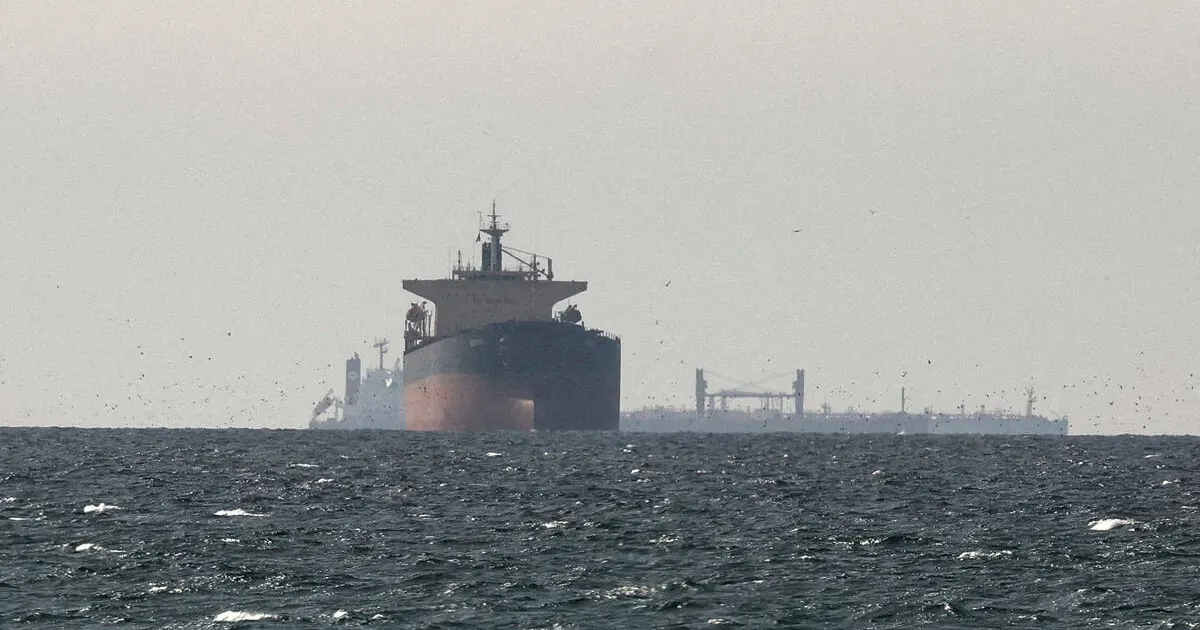
Fertilizer shipments through the Strait of Hormuz have started to pick up following an interim deal to end the Iran war announced June 15. About 640,000 tonnes of sulphur and 427,000 tonnes of urea have transited since then, far above wartime volumes.
Analysts say flows will take time to return to pre-conflict levels.
Resumed Gulf urea and sulphur flows ease the supply squeeze that lifted fertilizer prices, which should pressure urea and DAP prices lower as cargoes arrive. Full normalization is not expected until later in the summer, so relief will be gradual.
 producer.comReuters26 jun 2026
Na 17 eerdere neerwaarts geopolitiek-gebeurtenissen bewoog Ureum zich mediaan -1,9% over 5 sessies (41% hoger; middelste helft -3,1% tot +2,8%), en +0,2% over 20.
Na 126 eerdere geopolitiek-gebeurtenissen bewoog DAP zich mediaan 0,0% over 5 sessies (48% hoger; middelste helft -0,7% tot +1,2%), en +0,2% over 20.
Bewegingen van de benchmark van elke grondstof sinds de laatste slotkoers vóór de gebeurtenis. Historische waarden bundelen eerdere gebeurtenissen van hetzelfde soort; ze beschrijven wat er gebeurde, niet wat zal gebeuren. Geen beleggingsadvies.
Fertilizer and sulphur shipments resuming through Hormuz after the June 15 interim deal ease input-cost and supply fears, a plausible driver of a sharp DAP price drop, though the event is dated a day after the move.
