Laden…
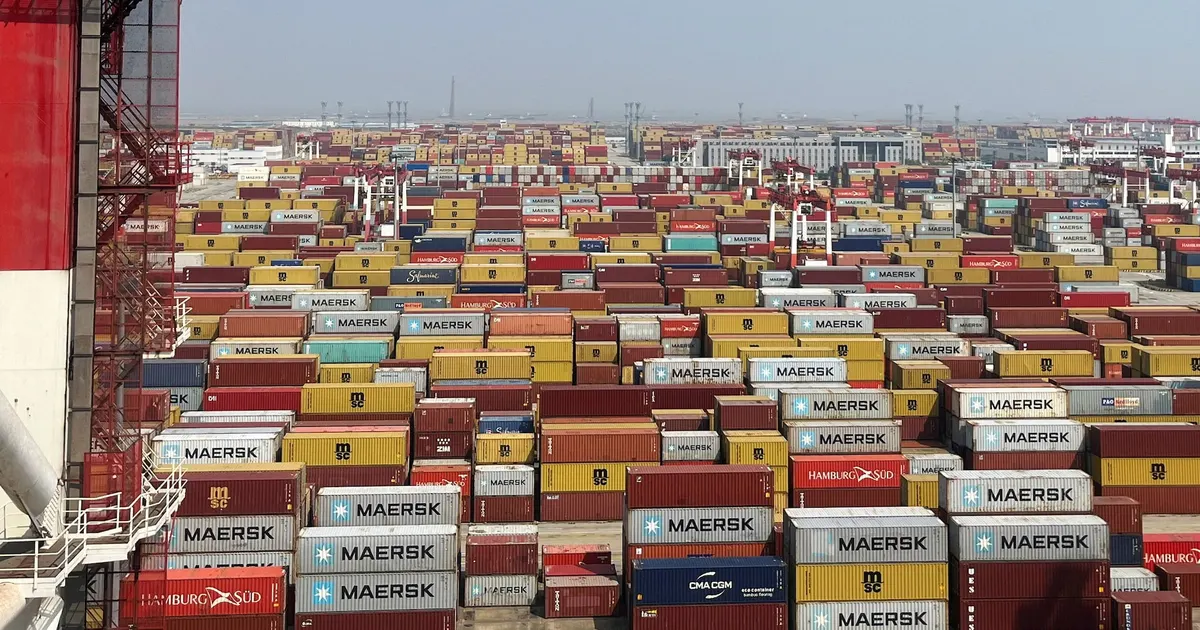
China retaliated against US tariffs with duties on US farm products, after China had already shifted soybean purchases toward Brazil. About half of US soybean exports went to China in 2024, worth $12.8 billion.
US corn exports to China fell sharply in 2024 as Chinese domestic production rose and Brazil overtook the US as the top supplier.
China's declining reliance on US soybeans and corn reduces the value of US export demand and leaves US prices more exposed to tariff-driven shifts. Brazilian supply continues to gain share in China's feed grain and oilseed imports.
 reuters.comMei Mei Chu1 apr 2025
Na 803 eerdere neerwaarts handel-gebeurtenissen bewoog Sojabonen zich mediaan +0,0% over 5 sessies (51% hoger; middelste helft -1,7% tot +1,7%), en +0,9% over 20.
Na 683 eerdere neerwaarts handel-gebeurtenissen bewoog Maïs zich mediaan -0,2% over 5 sessies (47% hoger; middelste helft -1,7% tot +1,6%), en +0,3% over 20.
Bewegingen van de benchmark van elke grondstof sinds de laatste slotkoers vóór de gebeurtenis. Historische waarden bundelen eerdere gebeurtenissen van hetzelfde soort; ze beschrijven wat er gebeurde, niet wat zal gebeuren. Geen beleggingsadvies.
Background on China's retaliation against US farm goods and the heavy reliance of US soybean exports on China (about half), which makes the demand-loss risk large.
