Laden…
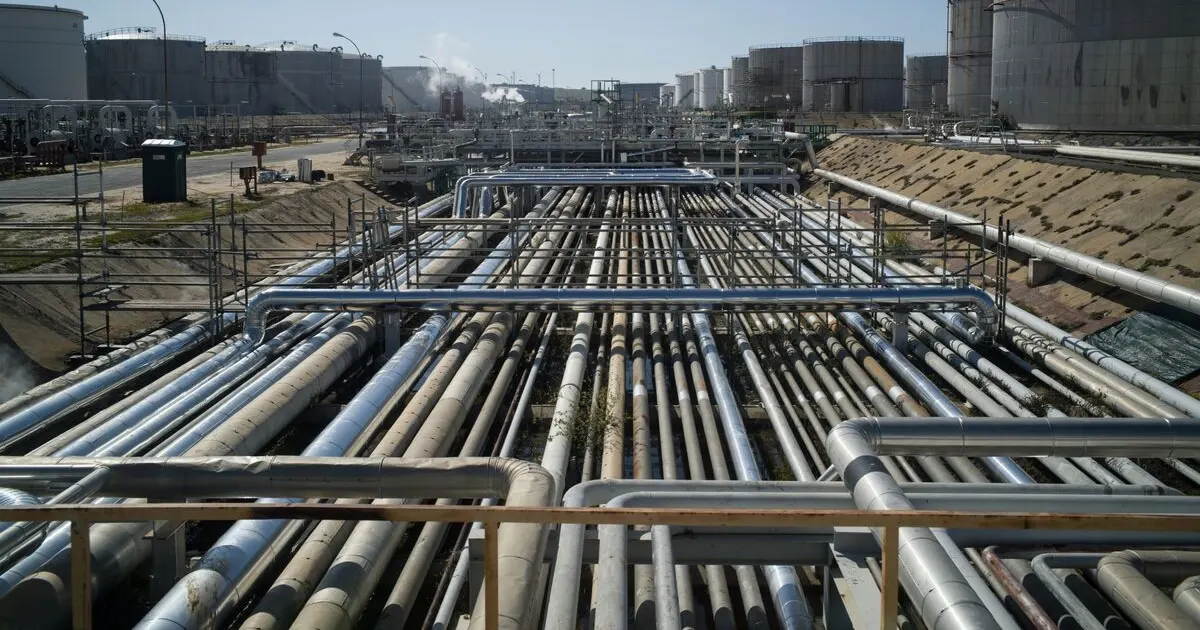
WTI crude futures rose more than 7% to settle near $73 a barrel, their biggest one-day gain since March 2022. European natural gas also rallied and haven demand pushed gold higher.
Middle East supply fears lift energy costs, which feed through to diesel, freight and fertilizer costs for feed producers, while higher energy prices can also support biofuel-linked demand for soybean oil and corn.
 bloomberg.comJack Wittels, Mia Gindis, Catherine Cartier12 jun 2025
Na 626 eerdere opwaarts geopolitiek-gebeurtenissen bewoog Ruwe olie (WTI) zich mediaan +2,1% over 5 sessies (62% hoger; middelste helft -2,3% tot +8,5%), en +1,6% over 20.
Na 656 eerdere opwaarts geopolitiek-gebeurtenissen bewoog Ruwe olie (Brent) zich mediaan +1,9% over 5 sessies (63% hoger; middelste helft -2,7% tot +6,6%), en +0,7% over 20.
Na 250 eerdere opwaarts geopolitiek-gebeurtenissen bewoog ULSD / Diesel zich mediaan +1,7% over 5 sessies (58% hoger; middelste helft -3,6% tot +8,7%), en +0,9% over 20.
Na 136 eerdere opwaarts geopolitiek-gebeurtenissen bewoog Aardgas zich mediaan +2,7% over 5 sessies (63% hoger; middelste helft -1,8% tot +8,8%), en +4,0% over 20.
Bewegingen van de benchmark van elke grondstof sinds de laatste slotkoers vóór de gebeurtenis. Historische waarden bundelen eerdere gebeurtenissen van hetzelfde soort; ze beschrijven wat er gebeurde, niet wat zal gebeuren. Geen beleggingsadvies.
WTI settled up more than 7%, its biggest one-day gain since March 2022, on Middle East supply fears.
Dated June 12, it reports WTI settling up over 7% on the biggest one-day gain since 2022, so crude input-cost and geopolitical risk sentiment lifted ULSD the same day.
WTI futures settled near $73 with a gain over 7%, the biggest one-day gain since March 2022, as the supply-risk premium rose.
WTI rose more than 7% for its biggest one-day gain since March 2022, in line with the Brent surge.
WTI's more than 7% one-day gain and haven demand reflect the same move, though the article is dated a day earlier.
