Laden…
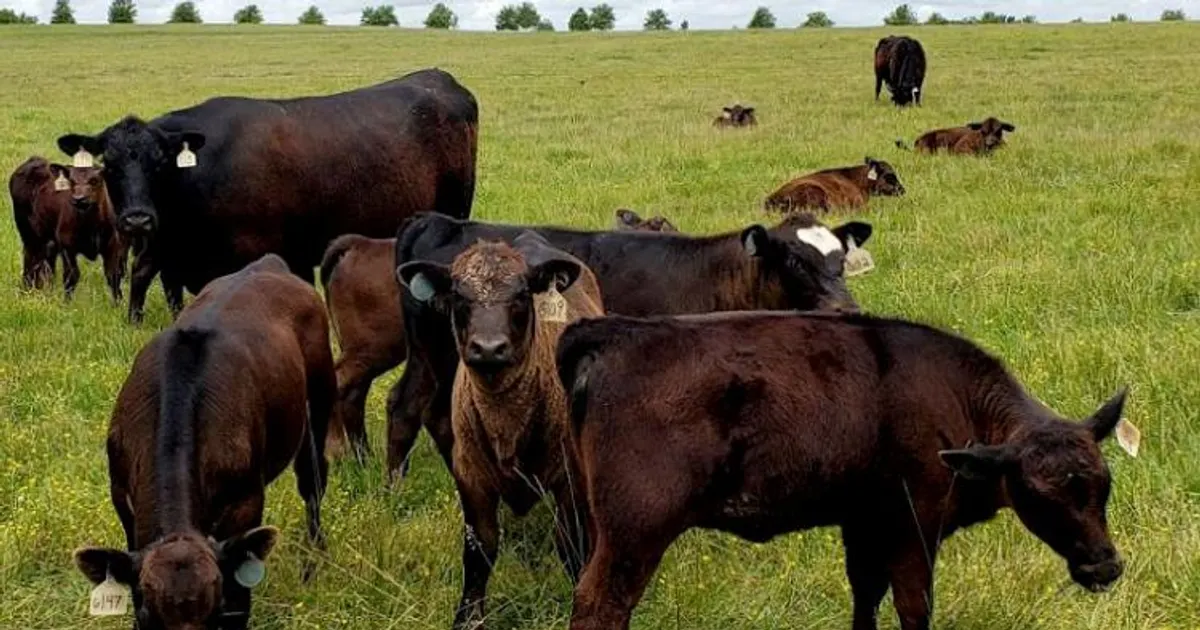
University of Kentucky agricultural economist Kenny Burdine said COVID-19 demand shocks hit cattle close to harvest hardest, with fed cattle prices falling sharply. CME March feeder cattle futures had dropped nearly $25 per hundredweight from early March through March 16.
Kentucky heavy feeders had held up better, supported by good pasture conditions.
Lower fed and feeder cattle values reduce the cost of finishing rations for feeders and signal weaker near-term cattle demand for feed. Pasture conditions limit supply impact in the short run.
 lanereport.comKevin O. Stinnett17 mrt 2020
Na 70 eerdere neerwaarts ziekte-gebeurtenissen bewoog Slachtvee (levend) zich mediaan +0,0% over 5 sessies (51% hoger; middelste helft -1,7% tot +1,0%), en +0,4% over 20.
Na 46 eerdere neerwaarts ziekte-gebeurtenissen bewoog Mestvee (feeder) zich mediaan +0,3% over 5 sessies (54% hoger; middelste helft -2,3% tot +1,6%), en +1,8% over 20.
Bewegingen van de benchmark van elke grondstof sinds de laatste slotkoers vóór de gebeurtenis. Historische waarden bundelen eerdere gebeurtenissen van hetzelfde soort; ze beschrijven wat er gebeurde, niet wat zal gebeuren. Geen beleggingsadvies.
Notes March feeder futures fell nearly $25/cwt through March 16 on COVID-19 demand shocks, giving context for the continued selloff on the move date.
Notes March feeder futures down nearly $25/cwt from early March through March 16, corroborating the magnitude, though it extends beyond the window.
