Laden…
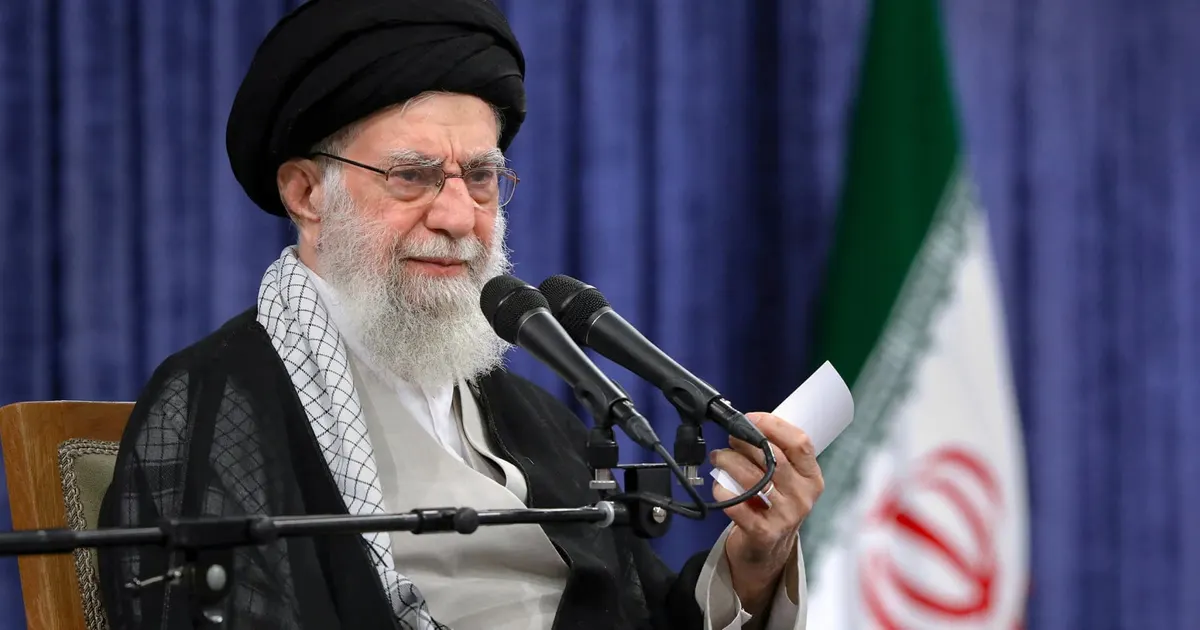
Crude futures jumped about $5 a barrel on June 13 after Israel launched airstrikes against Iran without US support. US crude rose 7.26% to $72.98 and Brent gained 7.02% to $74.23, the strongest gains since March 2022.
Iran responded with missile fire at Israel that evening.
Traders see the conflict as a threat to Gulf oil flows, which pushes crude prices sharply higher. The resulting energy cost increase feeds through to feed transport and processing costs.
 cnbc.comSpencer Kimball, Lee Ying Shan, Ruxandra Iordache, Sam Meredith13 jun 2025
Na 656 eerdere opwaarts geopolitiek-gebeurtenissen bewoog Ruwe olie (Brent) zich mediaan +1,9% over 5 sessies (63% hoger; middelste helft -2,7% tot +6,6%), en +0,7% over 20.
Na 626 eerdere opwaarts geopolitiek-gebeurtenissen bewoog Ruwe olie (WTI) zich mediaan +2,1% over 5 sessies (62% hoger; middelste helft -2,3% tot +8,5%), en +1,6% over 20.
Bewegingen van de benchmark van elke grondstof sinds de laatste slotkoers vóór de gebeurtenis. Historische waarden bundelen eerdere gebeurtenissen van hetzelfde soort; ze beschrijven wat er gebeurde, niet wat zal gebeuren. Geen beleggingsadvies.
Israel's June 13 airstrikes on Iran drove US crude up about 7% to $72.98, the core supply-risk shock behind the 5-day WTI move.
Israel's June 13 airstrikes on Iran sent WTI up about 7% to $72.98, the largest one-day gain since March 2022, which accounts for most of the 5-day move (sentiment/supply-risk premium).
Israeli airstrikes on Iran on June 13 drove the biggest crude gains since March 2022, a geopolitical supply-risk premium that matches the move.
Crude jumped about $5 on June 13 after the Israeli strikes and Iran's missile response, the biggest gain since March 2022, driving the weekly move.
Crude jumped about $5 on June 13 after Israeli airstrikes on Iran, the strongest gains since 2022, which accounts for much of the weekly move.
