Laden…
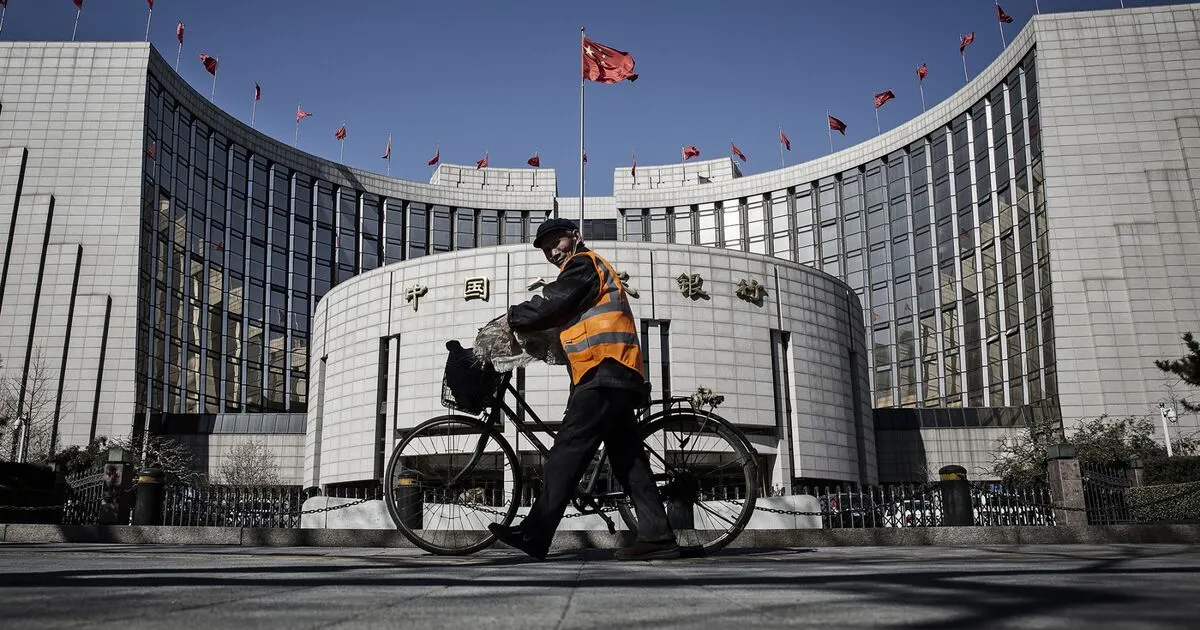
According to Goldman Sachs, China's central bank changed its yuan fixing mechanism after the US presidential election to support a stronger currency. The move was made as capital outflows grew and President-elect Trump threatened protectionist trade policies.
A deliberate change in fixing practice signals state intervention to stabilize the yuan, which reduces the odds of a sharp devaluation that would hit Chinese import demand. Trade-policy threats also keep US-China export flows uncertain.
 bloomberg.comYe Xie9 jan 2017
Na 50 eerdere neerwaarts beleid-gebeurtenissen bewoog Chinese yuan (CNY per USD) zich mediaan -0,1% over 5 sessies (46% hoger; middelste helft -0,4% tot +0,4%), en -0,0% over 20.
Bewegingen van de benchmark van elke grondstof sinds de laatste slotkoers vóór de gebeurtenis. Historische waarden bundelen eerdere gebeurtenissen van hetzelfde soort; ze beschrijven wat er gebeurde, niet wat zal gebeuren. Geen beleggingsadvies.
Goldman noted the PBOC fixing mechanism was geared toward a stronger currency, a policy signal that anchored yuan strength.
